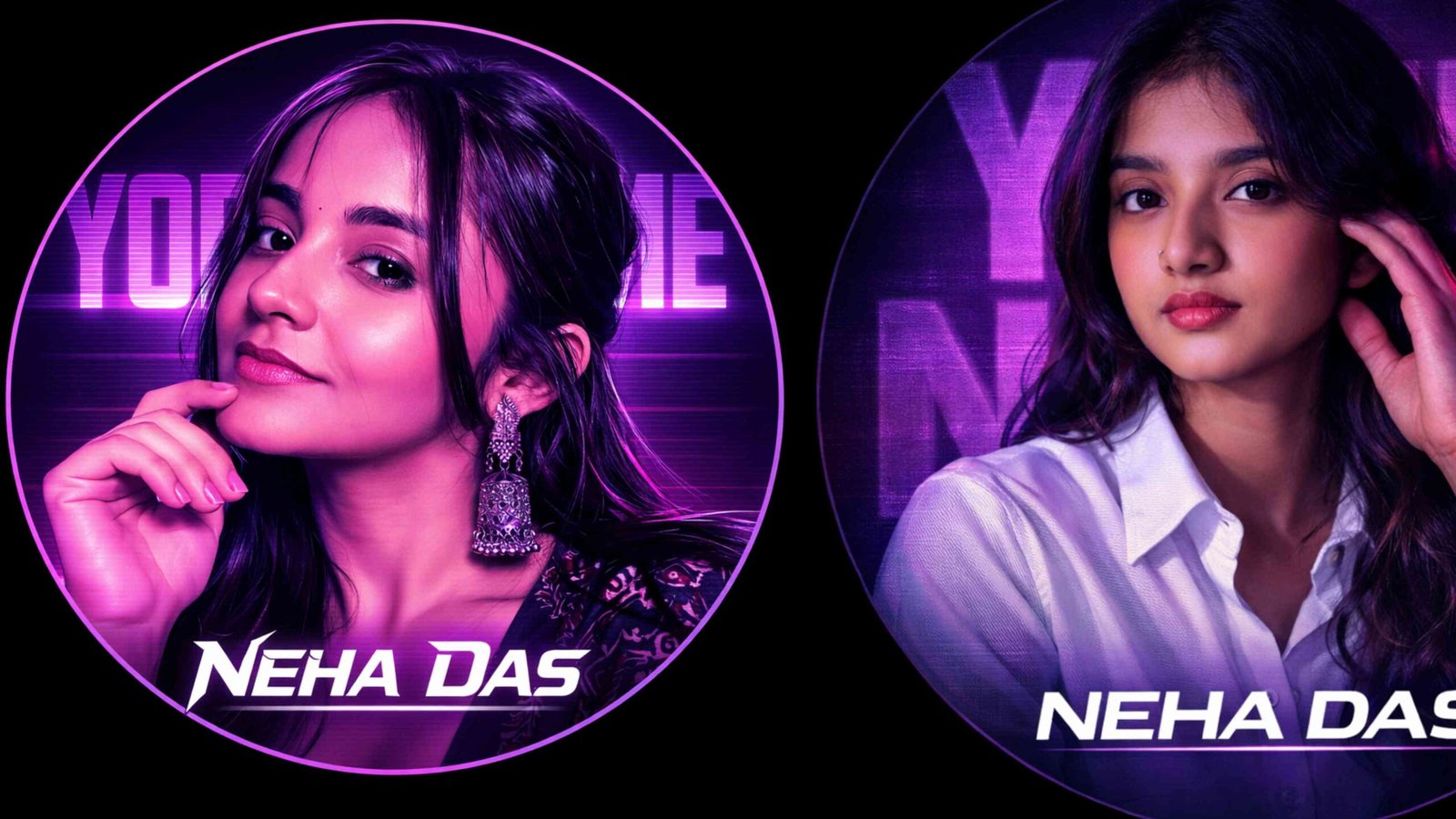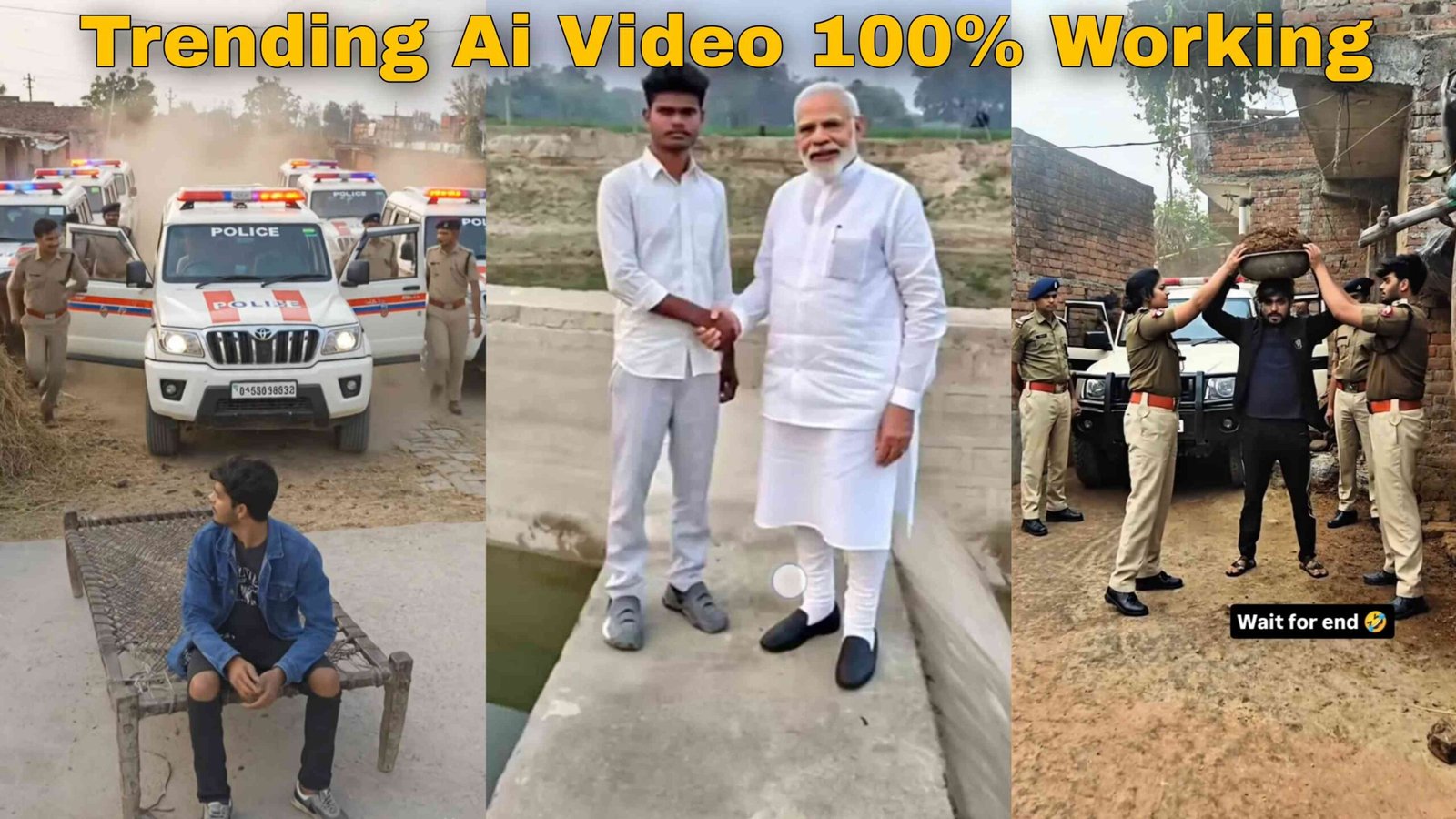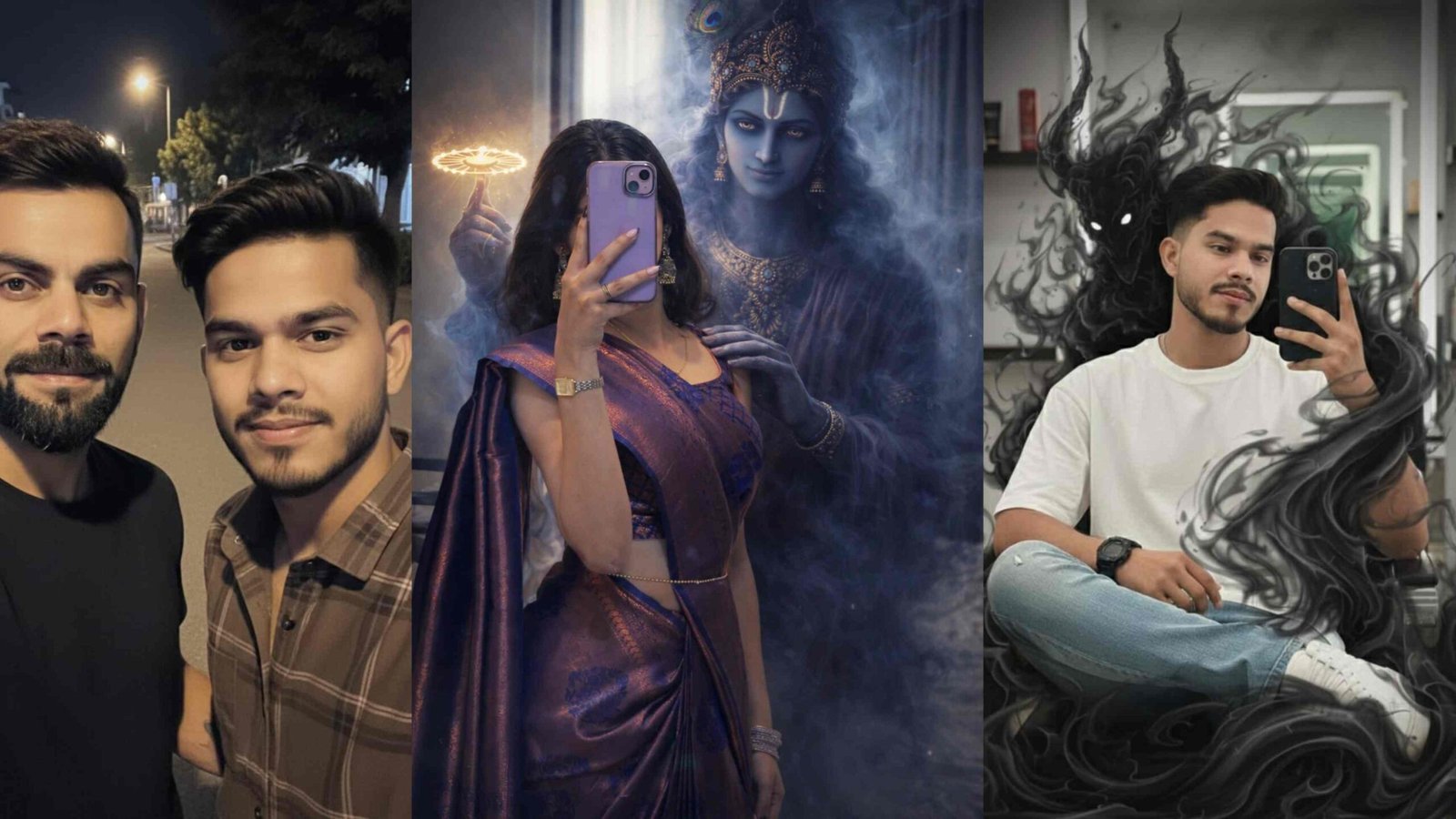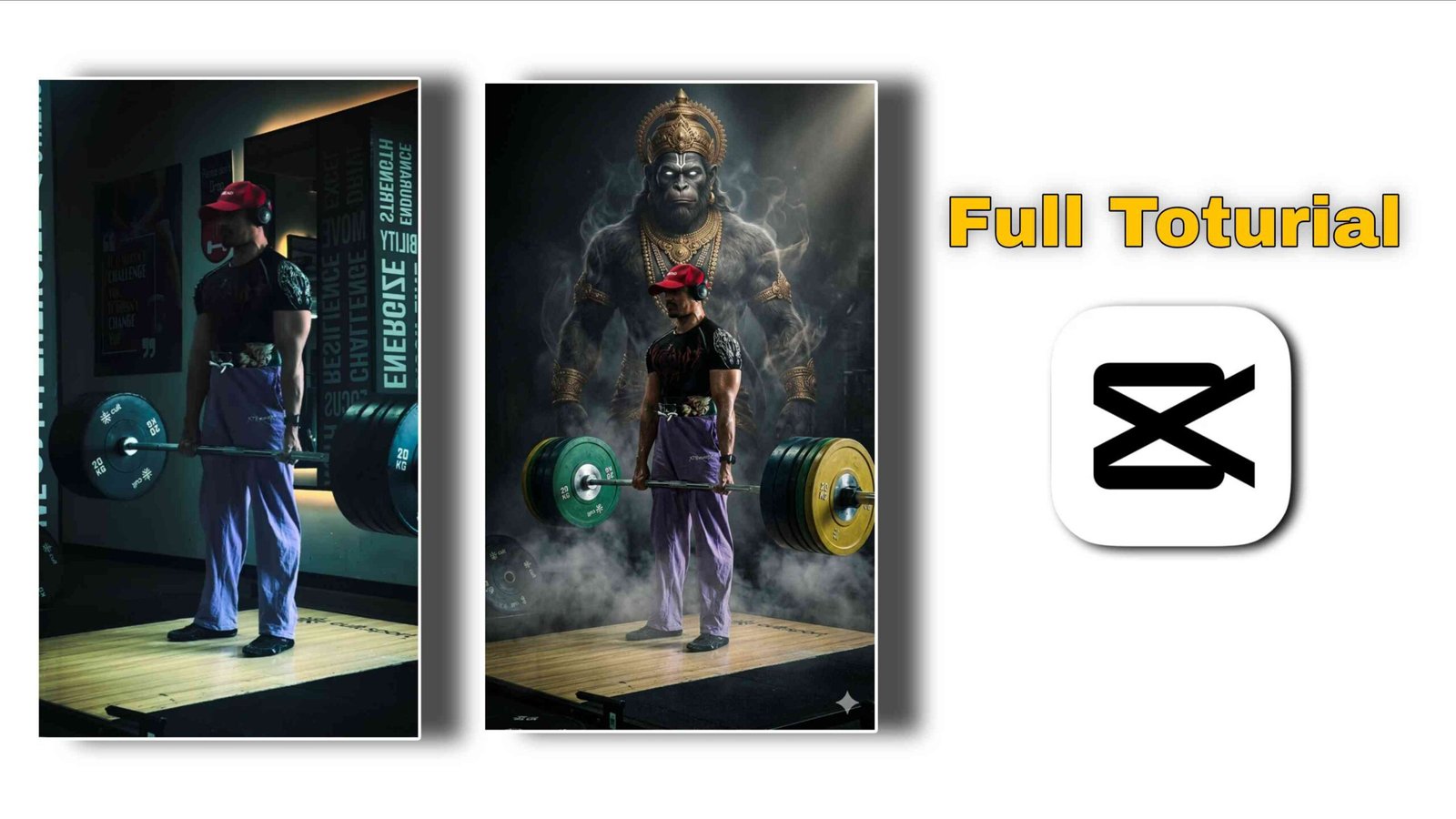
The Art of Cinematic Face Replacement Photo Editing
Photo editing has evolved far beyond simple color correction and retouching. One of the most advanced and visually striking forms of modern digital editing is cinematic face replacement photo editing. This technique allows editors to place the face of one person onto another image while preserving realism, emotion, lighting, and artistic integrity. When done correctly, the final image looks natural, immersive, and visually seamless, as if it were captured in a single photograph.
What Is Cinematic Face Replacement Editing?
Cinematic face replacement editing is a high-level digital manipulation process where the face from a reference image is carefully merged into another photograph. Unlike basic face swapping, this method focuses on realism, emotion, and storytelling. The editor ensures that the pose, expression, hairstyle, lighting, shadows, and skin texture remain consistent with the base image.
In cinematic edits, the goal is not to create a gimmicky or artificial result but to maintain a believable, film-like quality. The face must appear as if it naturally belongs to the body, environment, and mood of the original photograph.
Why This Editing Style Is So Popular
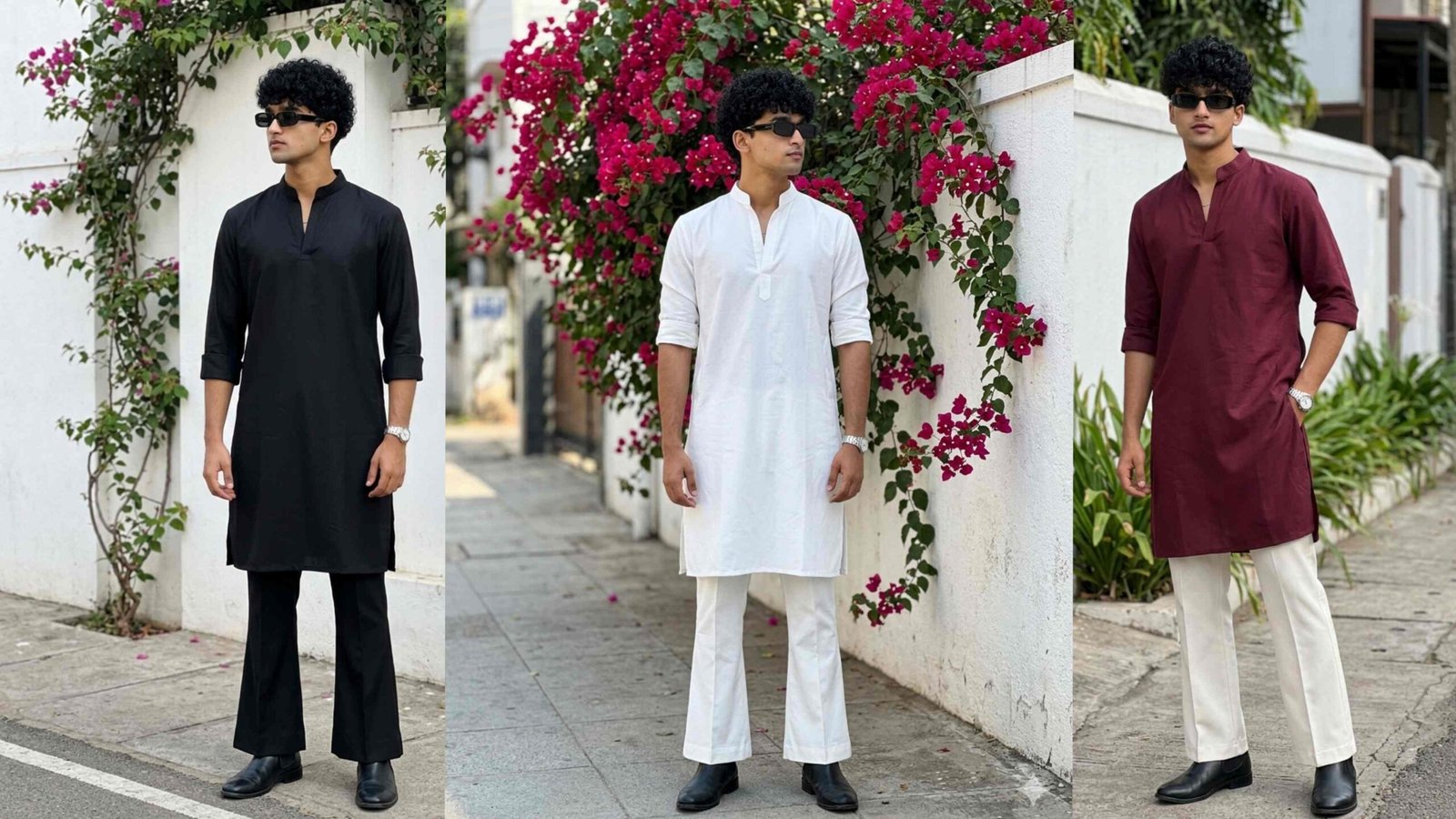
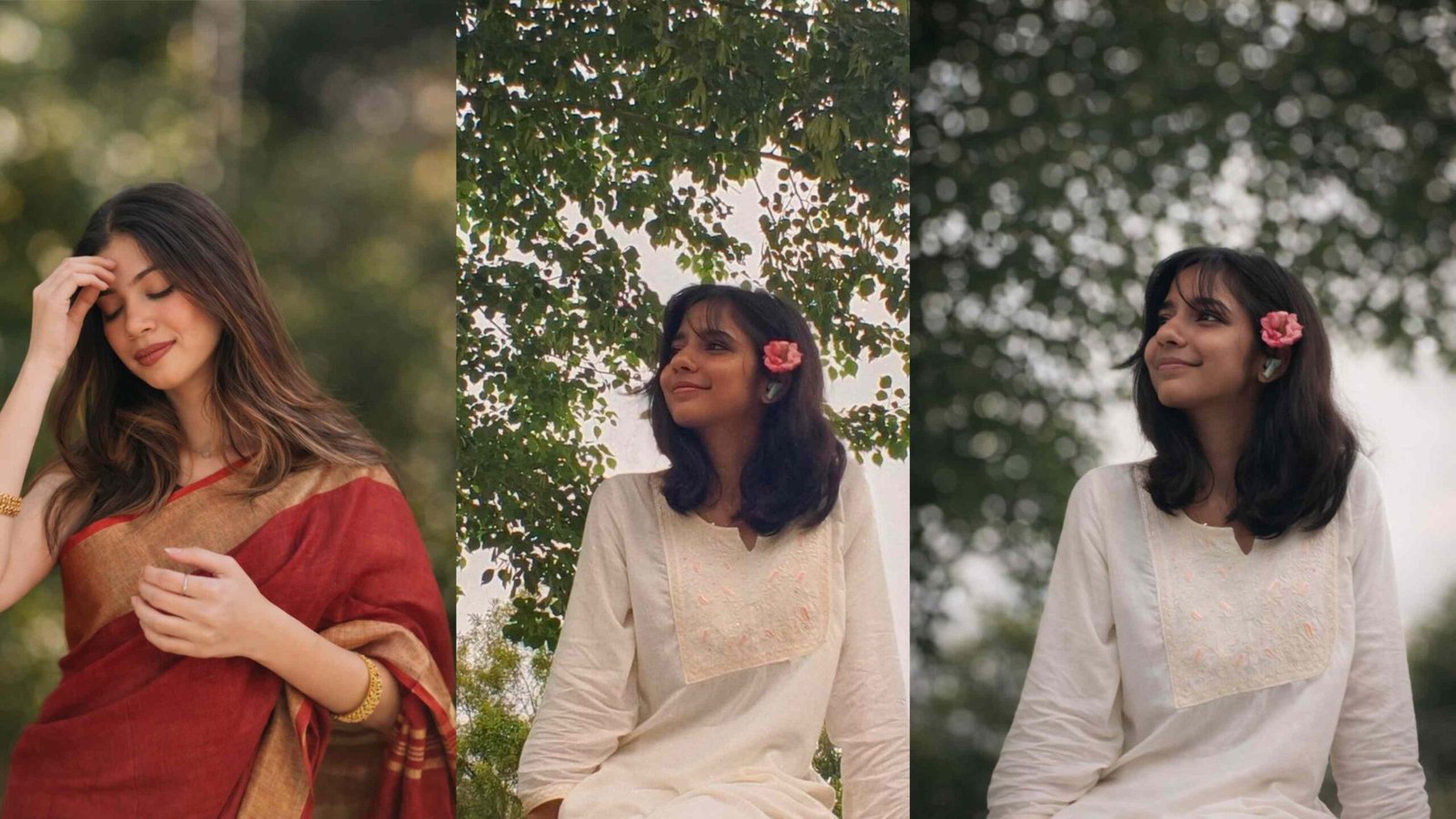
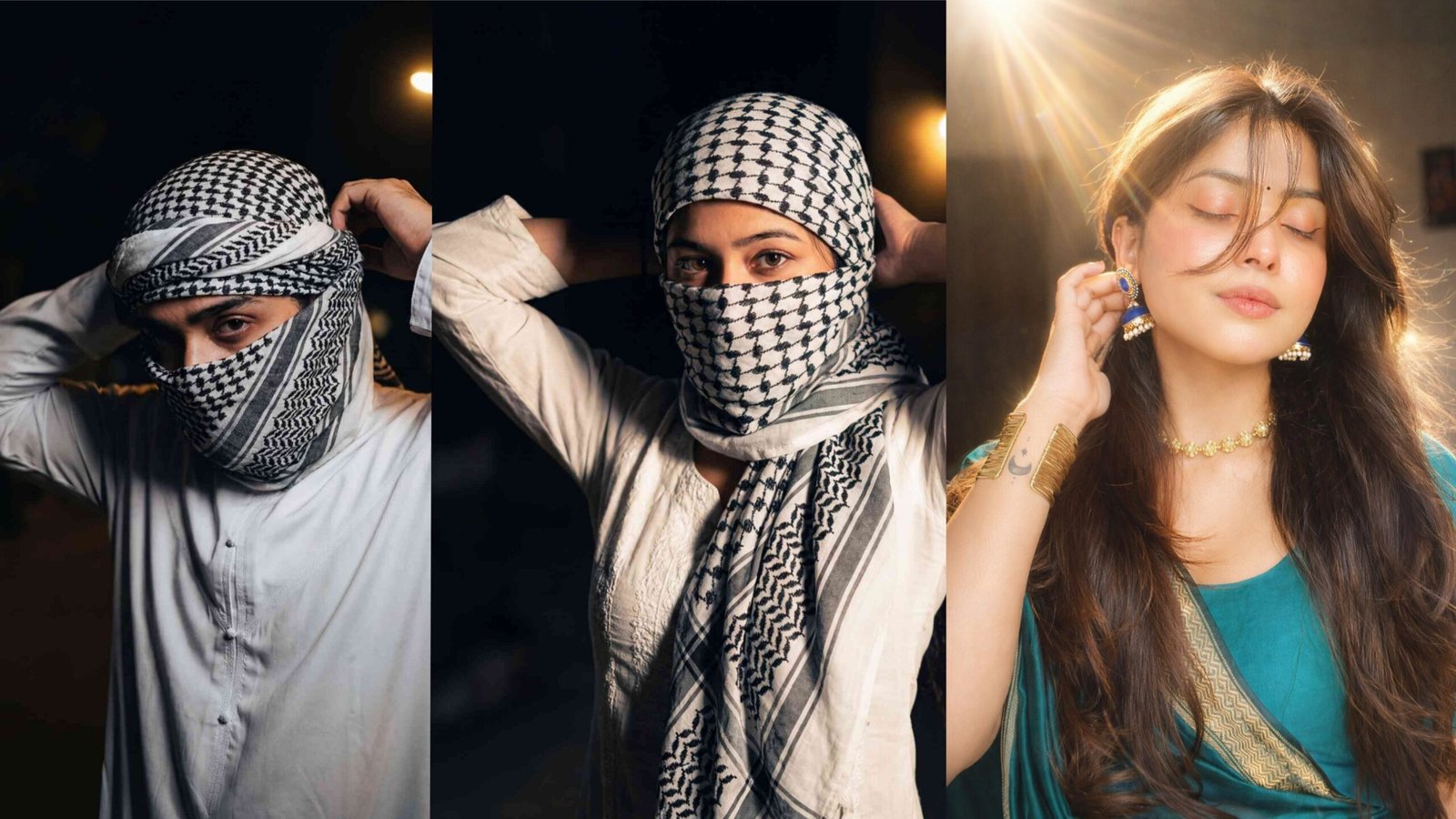
This style of editing has gained massive popularity due to social media, fashion photography, wedding portraits, and digital art platforms. People want visually dramatic images that feel premium and cinematic while still preserving their identity. Face replacement editing allows photographers and creators to achieve creative freedom without reshooting expensive setups.
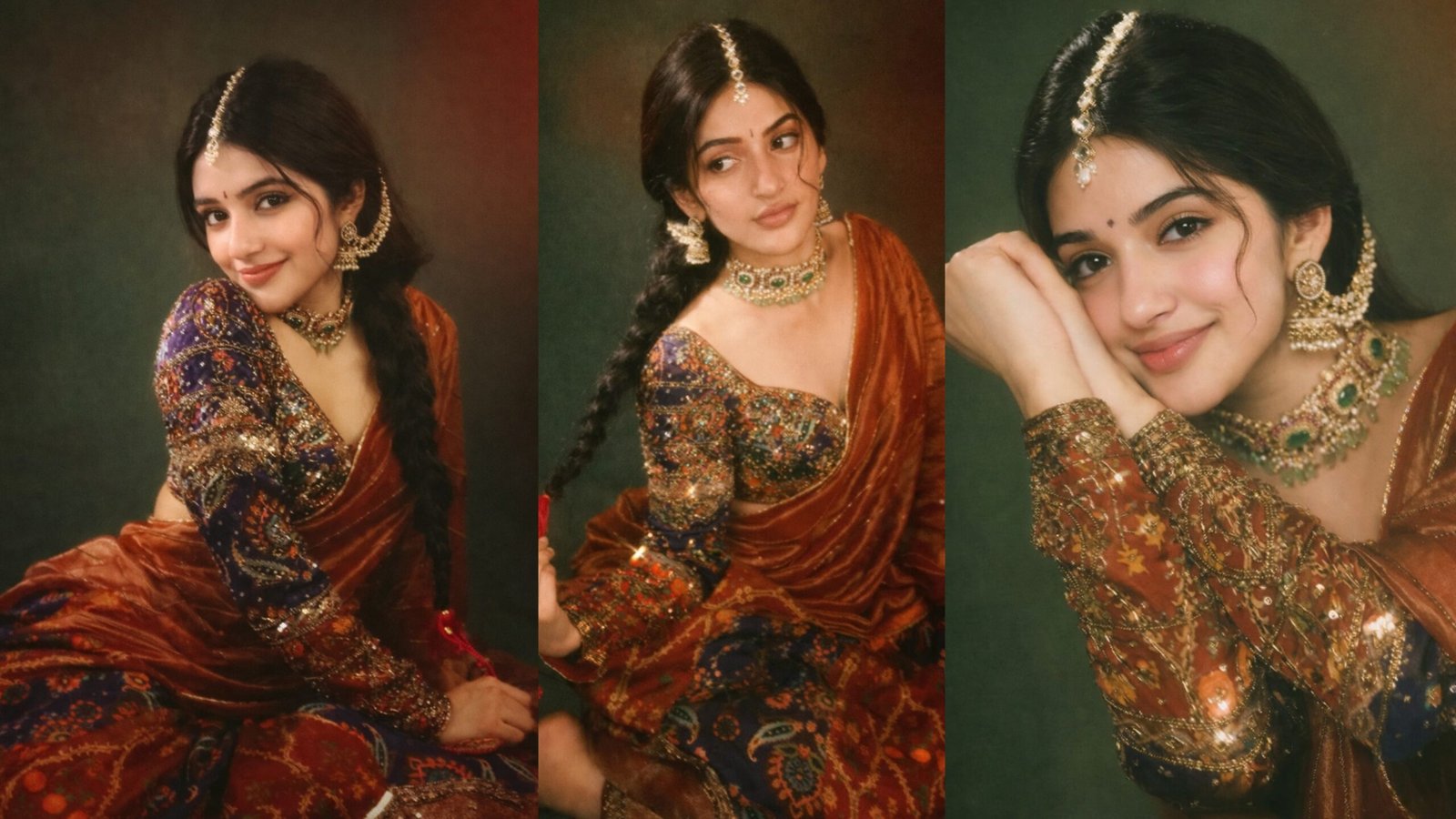
Many creators use this technique to blend traditional aesthetics with modern digital tools, especially in cultural portraits, bridal photography, and editorial-style visuals. The cinematic tone adds depth, emotion, and elegance to the final output.
Key Elements of a Successful Face Replacement Edit

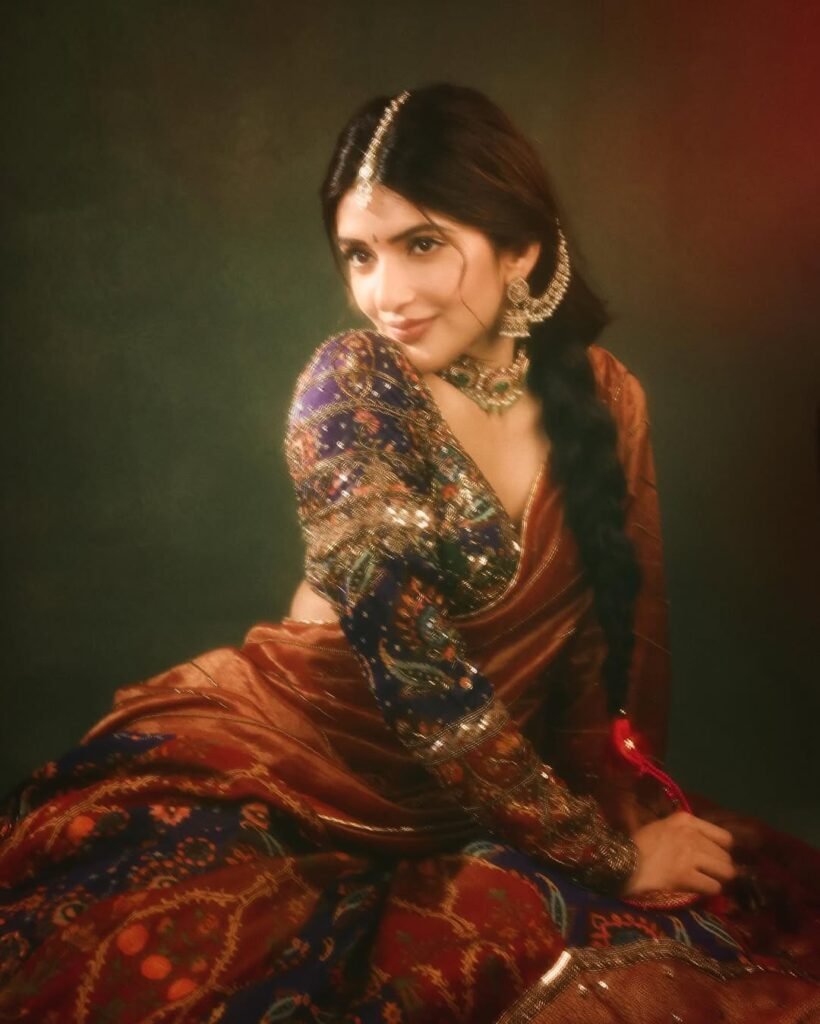
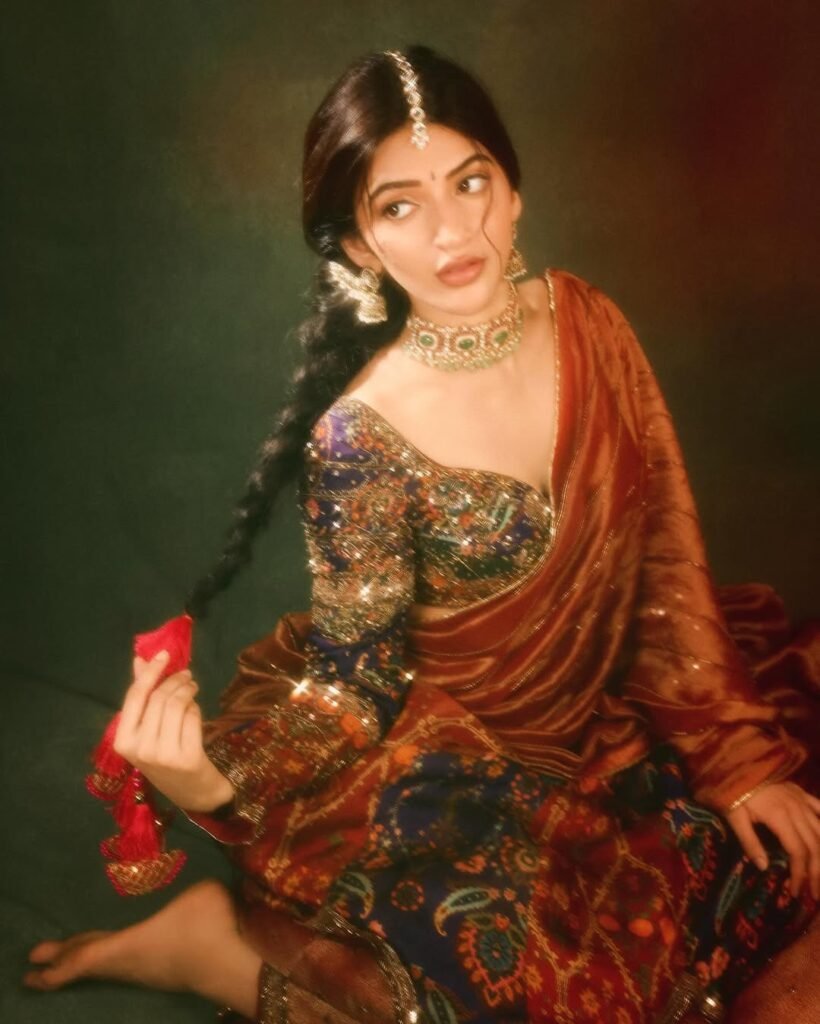
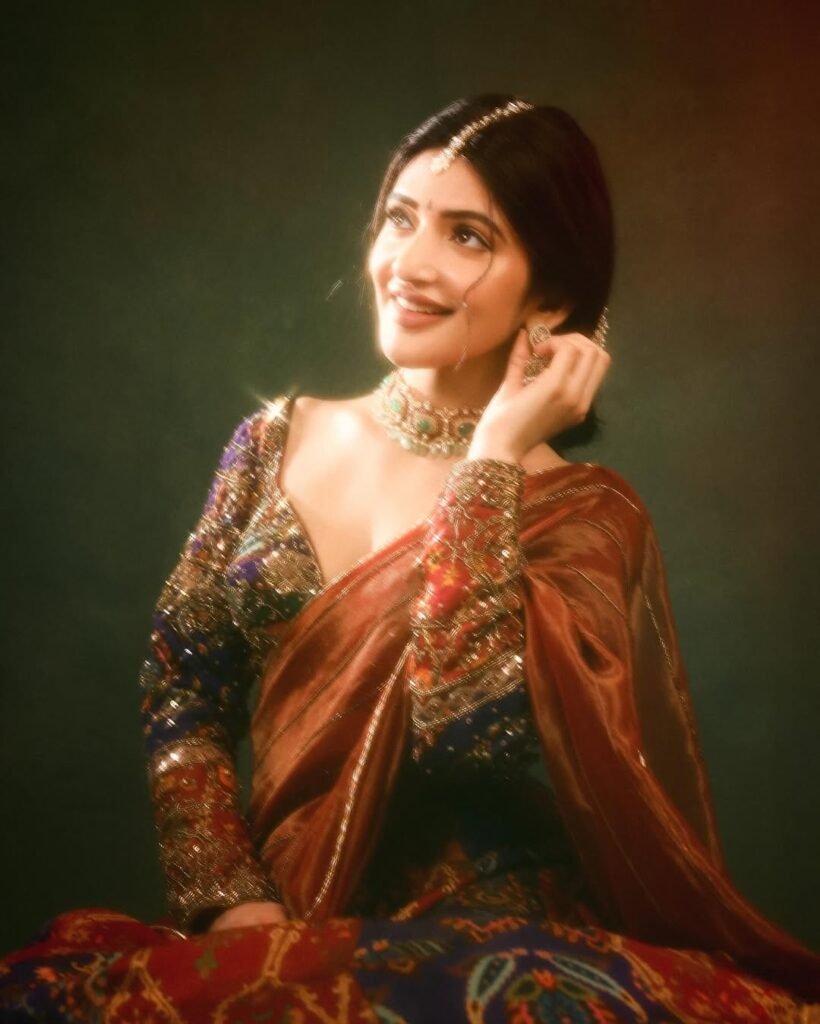
PROMPT 1:- Change the entire outfit in the first photo to match the outfit in the second photo. It should look realistic. do not change anything elsePrompt 2:- Put the face of the woman of image 2 into image 1. Hairstyle should be same as image 1. Expression pose should be same as image 1. Withouth changing anything.1. Facial Structure Matching
A successful edit starts with matching the facial structure of the reference image to the base image. Jawline, cheekbones, eye spacing, and face angle must align perfectly. Even slight mismatches can break realism and make the edit look artificial.
2. Expression and Emotion Consistency
Expression plays a crucial role. If the base image shows a soft smile or a calm gaze, the reference face must carry a similar emotion. A mismatch in expression can instantly reveal that the image has been edited.
3. Lighting and Shadow Integration
Lighting is one of the hardest aspects to master. The face must match the direction, intensity, and color temperature of the light in the base image. Shadows around the nose, eyes, and jawline must blend seamlessly with the existing light setup.
4. Skin Tone and Texture Blending
Maintaining natural skin texture is essential. Over-smoothing the skin removes realism, while inconsistent tones create visual separation. Professional editors preserve pores, fine lines, and subtle imperfections to keep the image photorealistic.
5. Hairstyle and Accessories Preservation
In cinematic face replacement, the hairstyle, jewelry, and accessories of the base image must remain unchanged. These elements define the character and visual identity of the photograph. Only the facial features are replaced, not the surrounding details.
The Creative Workflow Behind This Editing
The editing process usually begins with selecting a high-quality base image and a clear reference face image. Both images should have similar camera angles and head positions for best results. The editor then carefully masks and aligns the facial features using advanced tools.
After alignment, color correction and tonal matching are applied to unify the images. Fine details such as highlights, shadows, and depth are adjusted to ensure the face blends naturally with the body and environment. The final stage involves cinematic color grading to give the image a film-like mood.
Tools Used for Cinematic Face Editing
Professional editors rely on advanced photo editing software that allows precision control over layers, masks, and color grading. AI-assisted tools have also enhanced accuracy, but manual refinement remains essential for achieving realistic results.
True cinematic quality comes from artistic judgment, not automation. Skilled editors understand anatomy, lighting physics, and visual storytelling, which allows them to refine the final image beyond what automated tools can achieve.
Ethical Considerations in Face Replacement Editing
While this editing style is visually impressive, ethical responsibility is extremely important. Face replacement should only be done with proper consent, especially when working with real individuals. Misuse of this technique can lead to identity misuse or misinformation.
Ethical editing respects the subject’s identity and intent. When used responsibly, cinematic face replacement becomes a powerful artistic tool rather than a deceptive practice.
Where This Editing Style Is Commonly Used
- Fashion and editorial photography
- Bridal and cultural portraits
- Digital art and concept photography
- Social media branding and influencers
- Creative storytelling visuals
Conclusion
Cinematic face replacement photo editing represents the fusion of technology, creativity, and visual storytelling. When done with precision and respect for realism, it can transform ordinary photographs into powerful cinematic portraits. This editing style is not just about changing a face; it is about preserving emotion, authenticity, and artistic depth.
As digital art continues to evolve, this technique will remain a cornerstone of high-end visual editing. With skill, patience, and ethical awareness, cinematic face replacement editing opens endless possibilities for creative expression while maintaining the soul of photography.