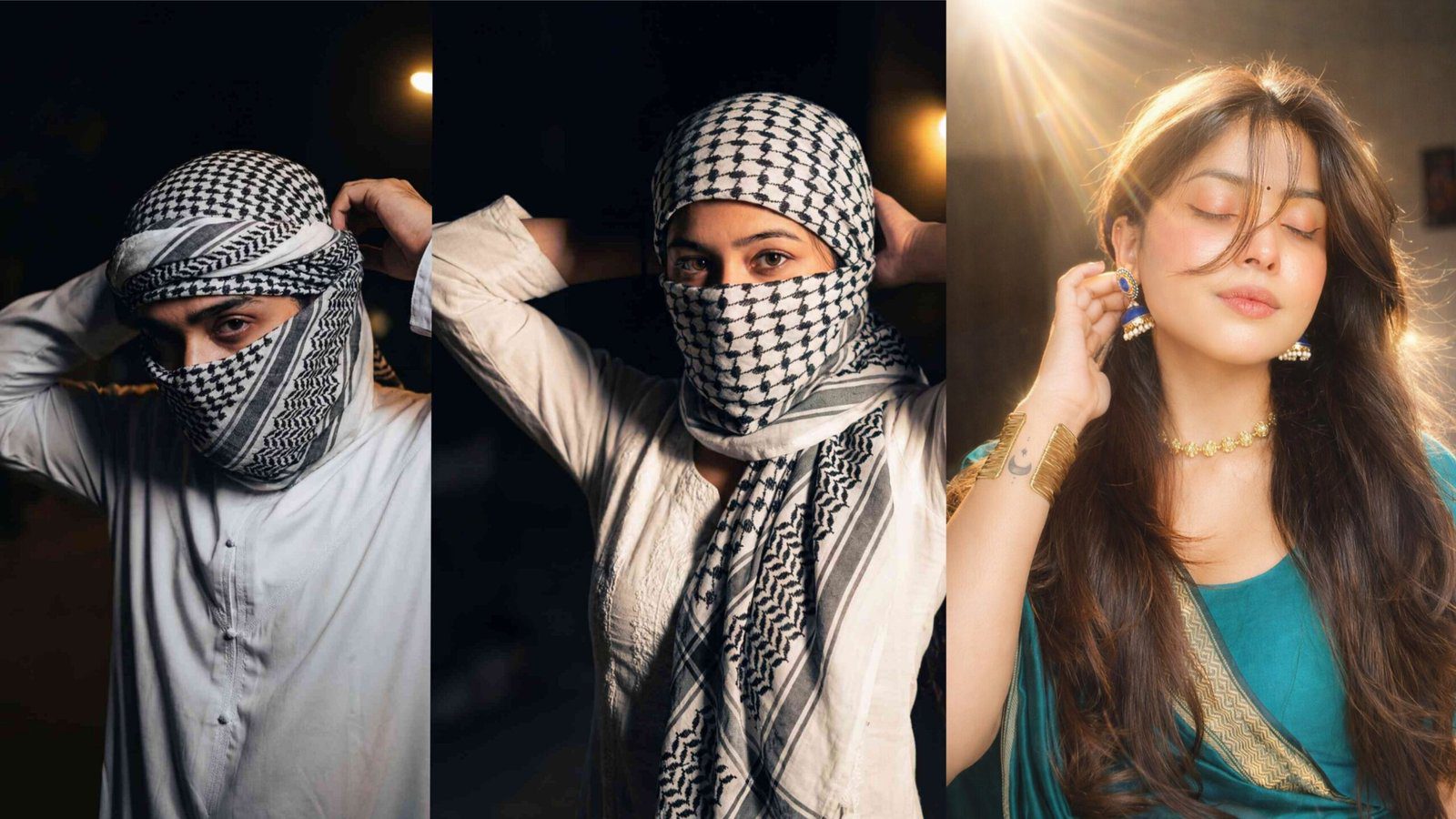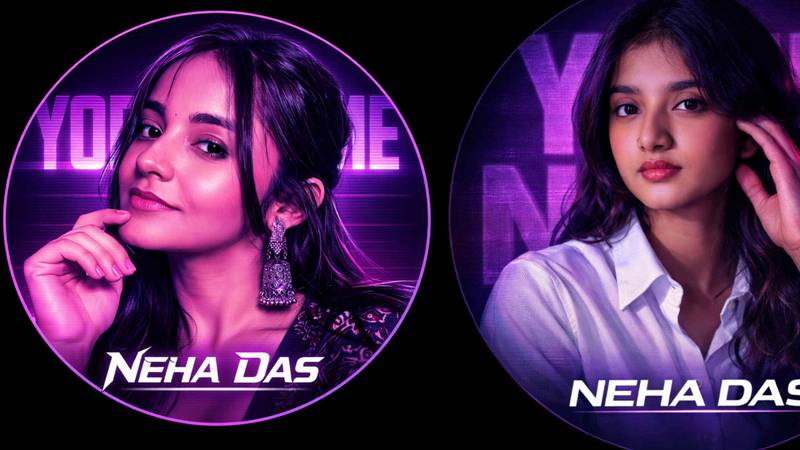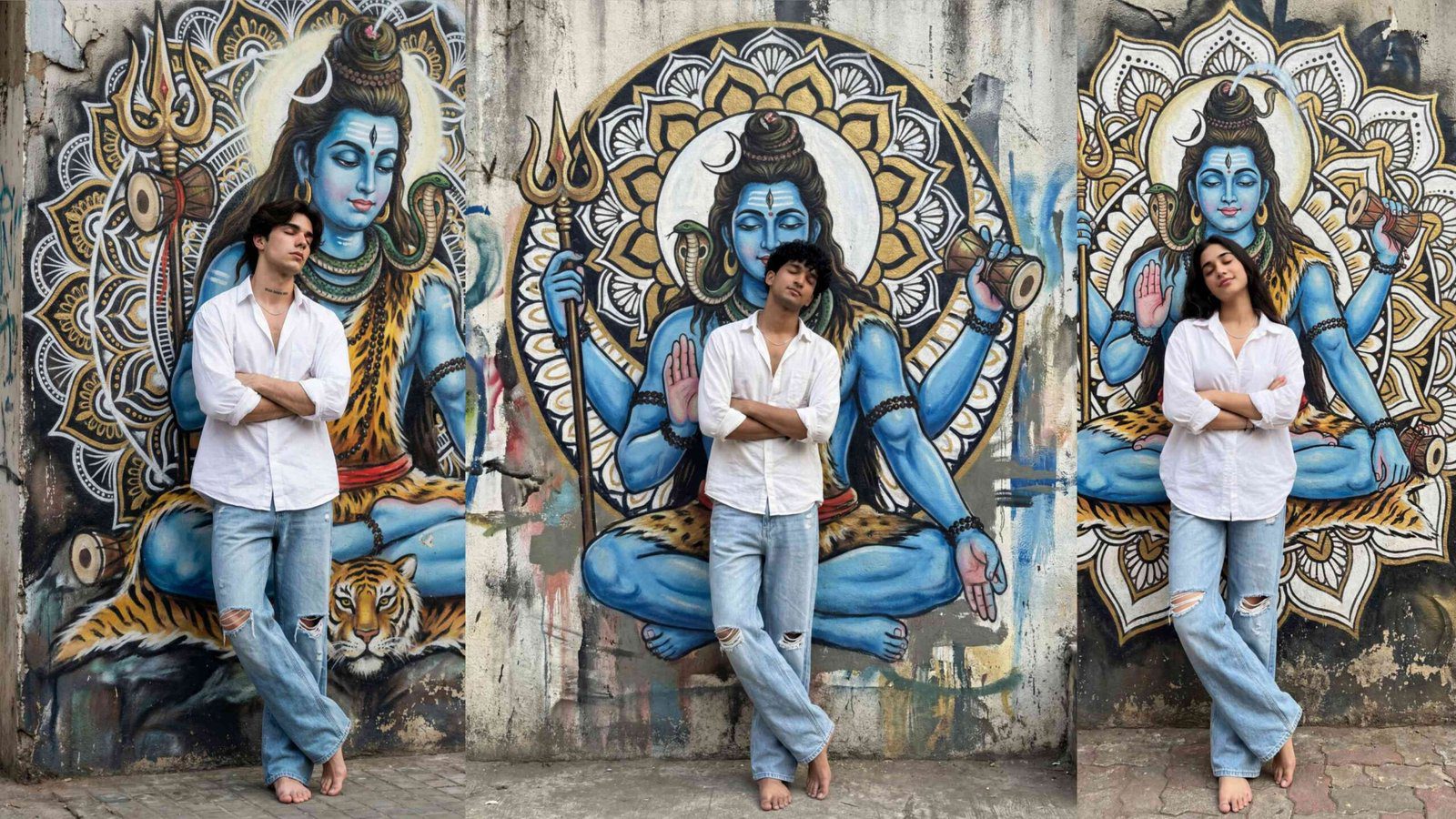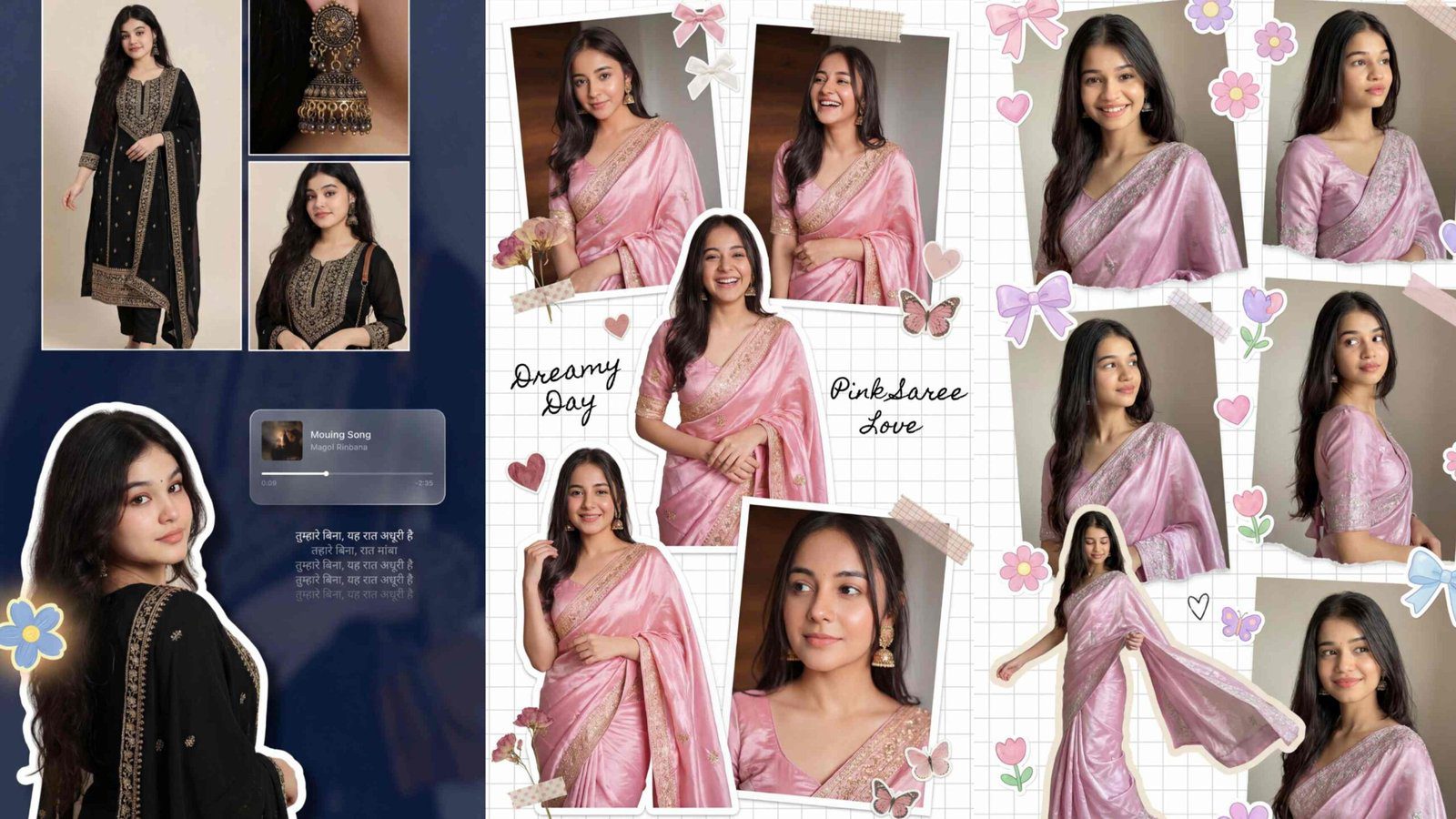
Haryana Dc job preset Studio Styal Photo Editing
In today’s digital era, achieving high-end studio-quality portraits is no longer limited to expensive equipment and professional photography setups. With the rise of AI-powered image editing tools, anyone can transform an ordinary photograph into a polished, professional studio portrait. By using well-crafted prompts and understanding lighting principles, you can create images that look as if they were taken in a controlled studio environment.
Understanding the Studio Look
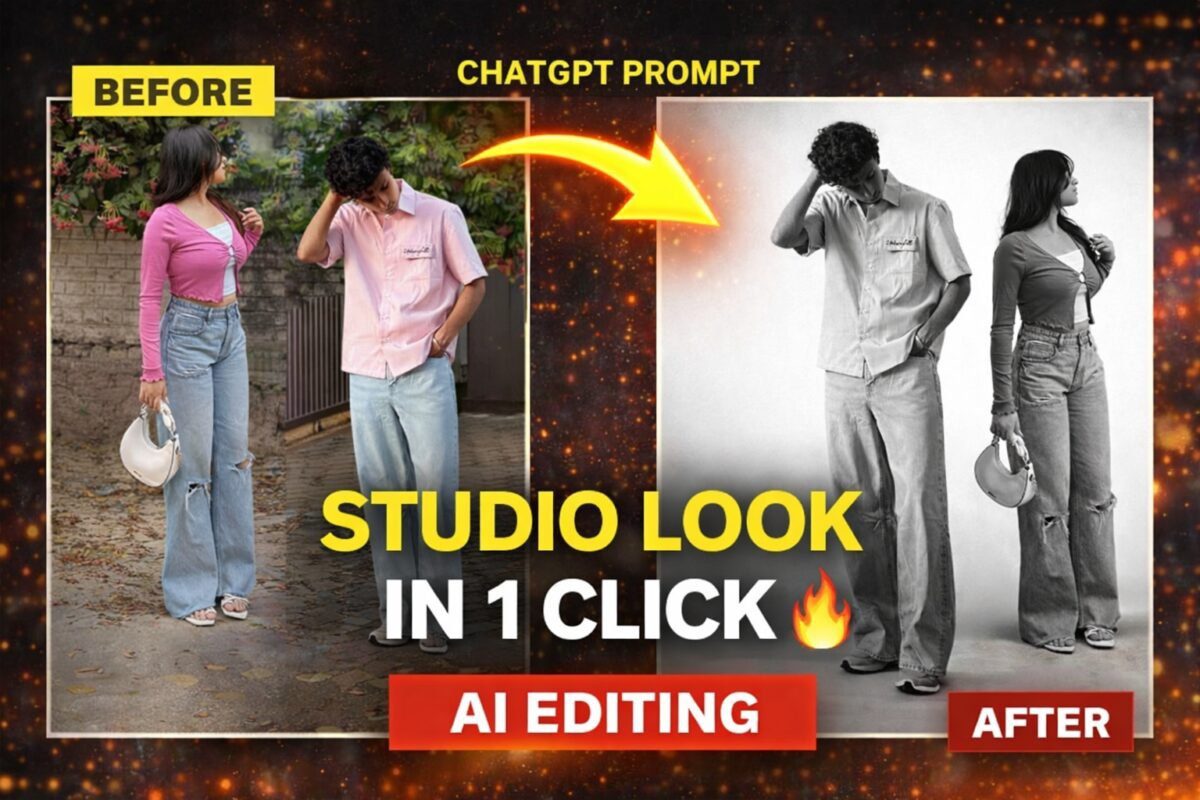
A professional studio portrait typically features a clean background, controlled lighting, and sharp subject details. The most common studio background is plain white or neutral, which eliminates distractions and keeps the focus entirely on the subject. This minimalist approach enhances clarity and gives the image a commercial, editorial feel.
Lighting plays a crucial role in defining the studio look. Soft, even lighting with minimal shadows is often used in high-key photography, while directional lighting can create depth and mood. The combination of these elements produces a balanced, professional result that is widely used in fashion, branding, and portfolio photography.

Change the background to a clean, professional studio white background. The subject should remain sharp and natural, with soft, even studio lighting, minimal shadows, and High-key look, realistic colors, and smooth edges around the subject.” Keep the face as same and change the lighting to very ultra realistic studio lighting and also keep the cutout as clean as possible if someone looks they think it was taken in the studio give a one side lighting and keep the photo black and white.The Power of AI Prompts
AI image editing tools rely heavily on prompts to understand what kind of transformation is needed. A well-written prompt should clearly define the desired background, lighting, and overall aesthetic. For example, specifying a “clean white studio background,” “soft high-key lighting,” and “realistic shadows” helps the AI produce accurate results.
Additionally, maintaining subject consistency is essential. A good prompt ensures that facial features, expressions, and natural textures remain unchanged while only the environment and lighting are enhanced. This creates a realistic output that avoids the artificial or overly edited look.
Lighting Techniques for Realism
To achieve an ultra-realistic studio effect, it is important to simulate proper lighting conditions. One-sided lighting, also known as directional lighting, adds depth and dimension to the subject. This technique creates subtle shadows on one side of the face, enhancing facial structure and giving the image a more cinematic feel.
Soft lighting is equally important. Harsh shadows or overexposed highlights can make the image look unnatural. Instead, diffused lighting ensures smooth transitions between light and shadow, maintaining a natural and professional appearance.
Black and White Aesthetic
Converting an image to black and white can significantly elevate its visual impact. This style removes color distractions and emphasizes textures, contrast, and composition. In studio portraits, black and white photography often adds a timeless and artistic quality.
When using AI for black and white conversion, it is important to preserve tonal balance. Proper contrast ensures that highlights are not blown out and shadows retain detail. The result should be a clean, crisp image that feels both modern and classic.
Clean Cutouts and Edge Precision
One of the biggest challenges in AI image editing is achieving clean subject cutouts. Rough edges or visible artifacts can instantly break the illusion of a studio photograph. A well-optimized prompt should emphasize smooth edges and precise subject separation.
Modern AI tools are capable of detecting fine details such as hair strands and fabric textures. By guiding the AI with instructions like “clean edges” and “natural blending,” you can achieve a seamless transition between the subject and the new background.
Practical Applications
Studio-style AI portraits are widely used across various industries. Content creators use them for social media branding, professionals use them for LinkedIn profiles, and designers incorporate them into marketing campaigns. The ability to create consistent, high-quality visuals without a physical studio setup makes this approach highly efficient and cost-effective.
Furthermore, AI-generated studio images can be customized quickly. Whether you want a high-key white background, dramatic side lighting, or a monochrome finish, everything can be adjusted through prompt engineering.
Conclusion
Creating studio-quality portraits using AI is both an art and a science. By understanding the fundamentals of lighting, composition, and prompt design, you can produce images that rival traditional studio photography. The key lies in clarity, precision, and attention to detail.
As AI technology continues to evolve, the gap between real and generated imagery is becoming increasingly narrow. With the right approach, anyone can create professional, high-quality portraits that look authentic, polished, and visually striking—all without stepping into a physical studio.