Photorealistic Cinematic Mirror Selfie Using AI: A Complete Guide
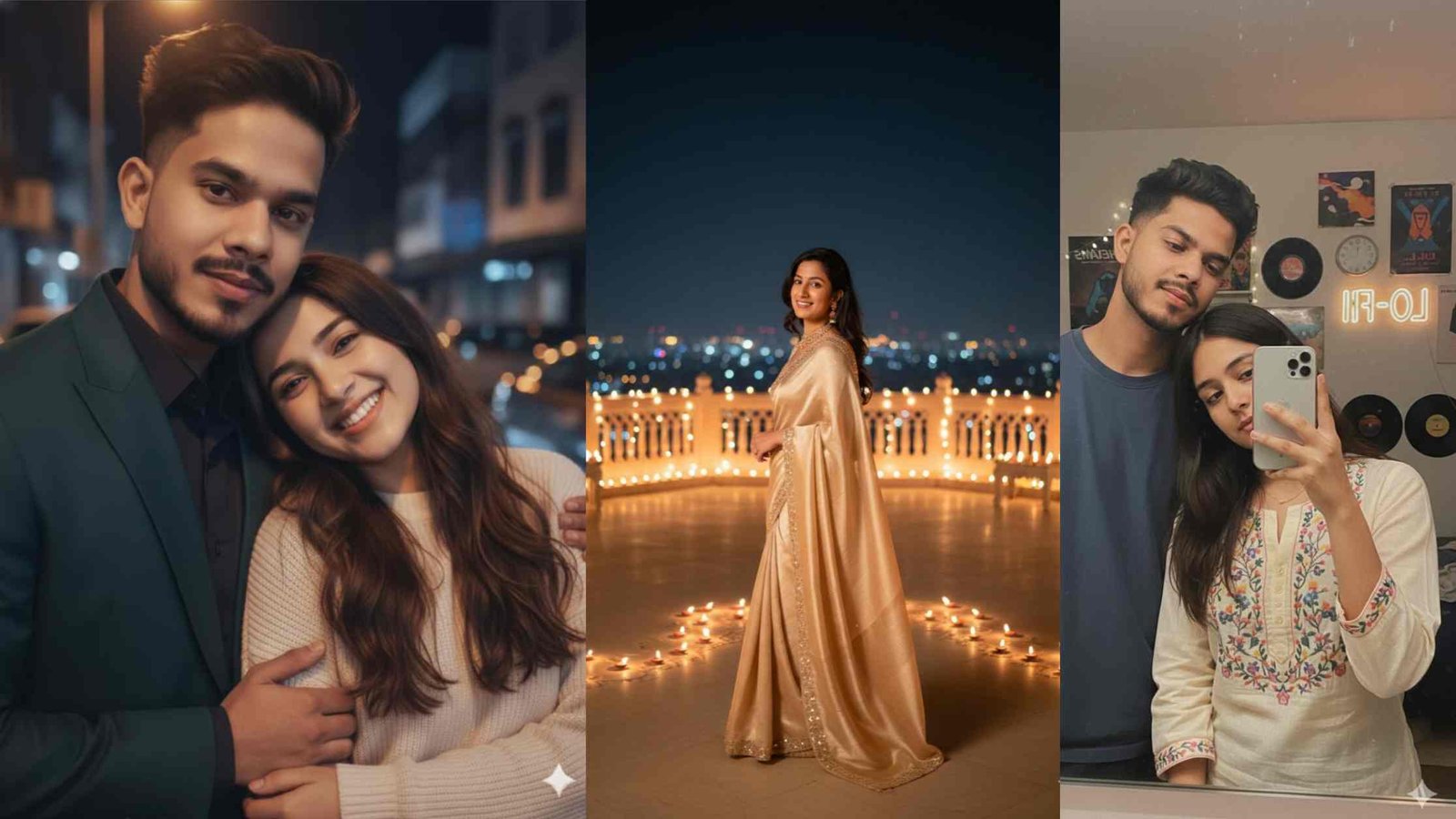
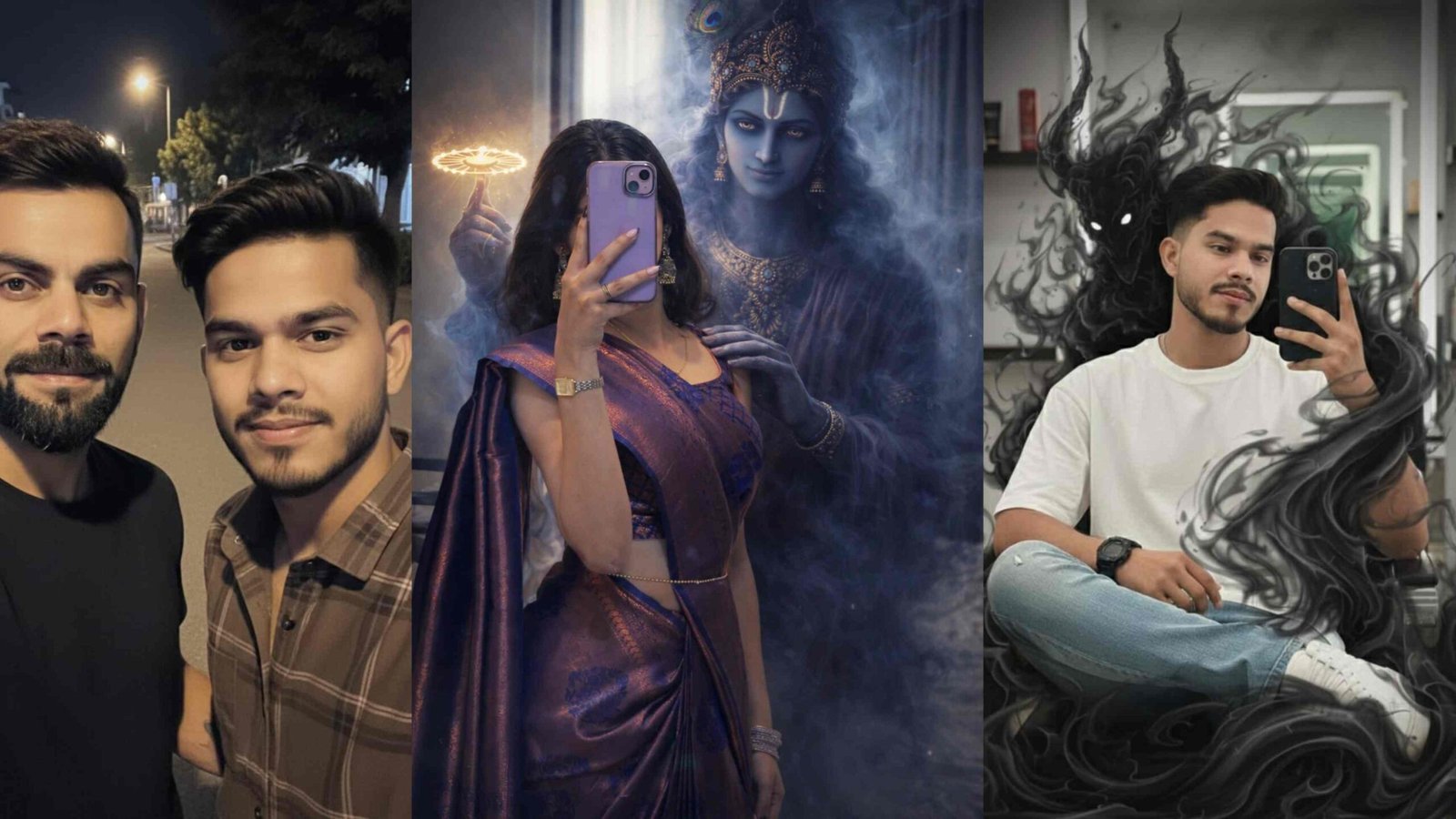
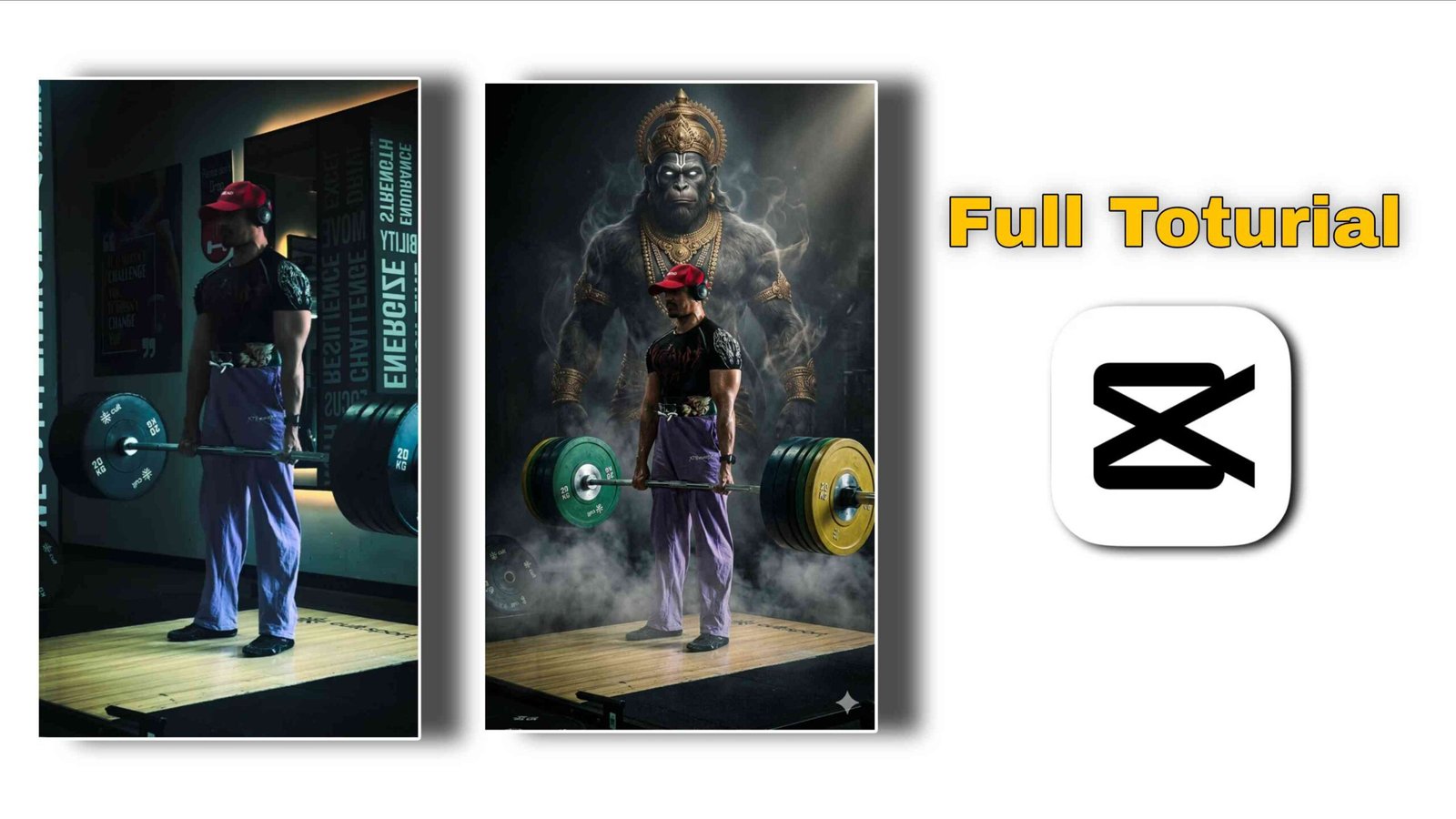
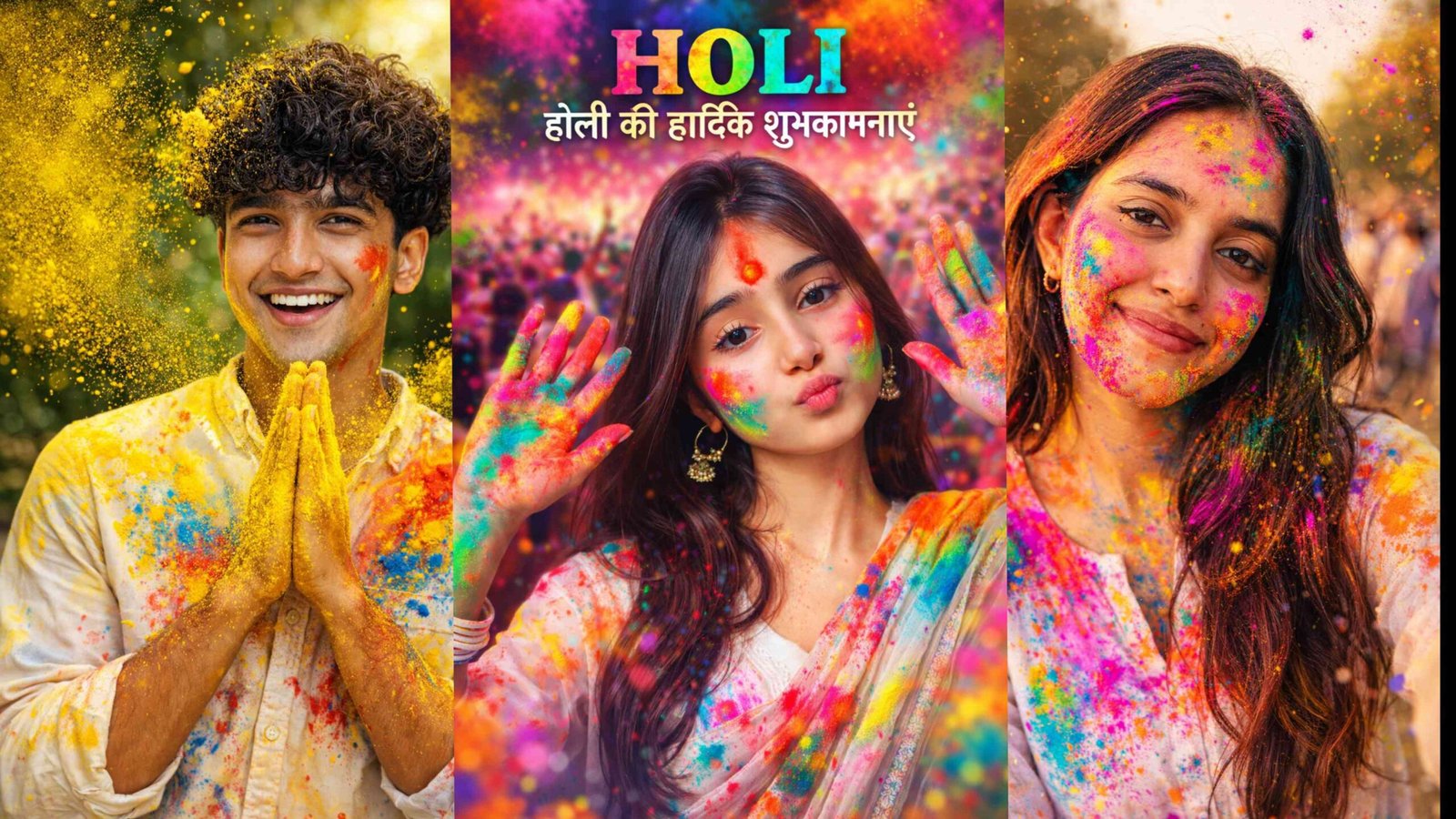
In recent years, AI-generated photorealistic images have become extremely popular on platforms like Instagram, YouTube, and Pinterest. One of the most trending styles today is the photorealistic cinematic mirror selfie. This style combines realism with a dramatic, movie-like atmosphere while keeping the subject’s identity completely unchanged.
What Is a Photorealistic Cinematic Mirror Selfie?
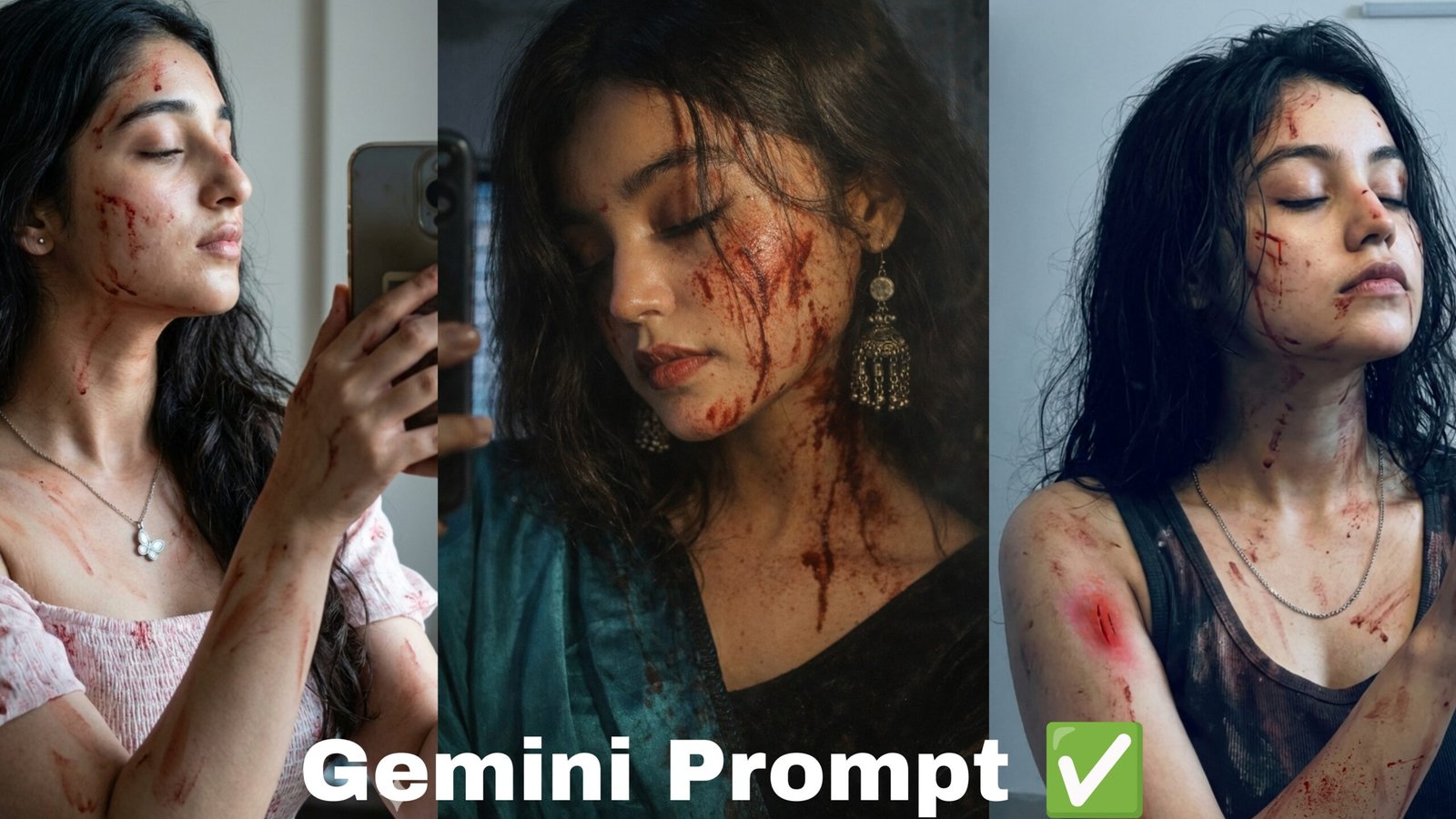
A photorealistic cinematic mirror selfie is an AI-enhanced image that looks like a still frame from a psychological thriller or cinematic film. Although the pose is similar to a casual mirror selfie, the final result feels serious, artistic, and cinematic.
The most important rule of this style is realism. The face, age, skin tone, pores, texture, and natural imperfections remain exactly the same. There is no beautification, no smooth skin, and no facial reshaping.
Why This Style Is Trending
This style is trending because people are moving away from overly edited and artificial images. Audiences now prefer raw, emotional, and realistic visuals. A cinematic mirror selfie tells a story and creates curiosity, making it perfect for reels, thumbnails, and artistic posts.
Another reason for its popularity is accessibility. With AI tools, anyone can create cinematic-quality visuals without professional cameras, studio lighting, or advanced editing skills.
👇Prompt Here👇

Prompt:- Use my uploaded photo as the EXACT and ONLY facial and body reference.

STRICT RULES:
Do NOT change my face, identity, age, skin tone, facial structure, body shape, or clothing.
NO beautification, NO reshaping, NO smoothing.
NO outfit replacement or redesign.

The clothing must remain EXACTLY the same as the reference image.
Same tank top, same fabric, same fit.
Only surface-level stains are allowed.
If there is any conflict, ALWAYS follow the reference photo.

Create a photorealistic cinematic mirror selfie.

Pose:
Side-diagonal profile, head slightly tilted up,
eyes closed, calm and emotionless expression.

Hair:
Messy, slightly damp dark hair (same length and style as reference).

Fake Blood Makeup (IMPORTANT):
Add noticeably heavier fake blood makeup as surface stains only.
More visible thin smears, streaks, and splashes.
Blood should appear partially dried and uneven.
Present on:
- face (cheeks, jawline, forehead edges)
- neck
- arms
- upper chest
- tank top surface

NO wounds.
NO cuts.
NO injuries.
NO violence.
Movie makeup look only.

Clothing:
Same dark sleeveless tank top from reference.
Do NOT change or replace it.
Add moderate-to-heavy blood stains ON TOP of existing fabric.
Simple silver chain necklace, unchanged, resting naturally.

Background:
Indoor, minimal, softly blurred.

Lighting:
Soft cool indoor lighting,
high contrast,
cinematic, moody, natural shadows.

Preserve real skin texture, pores, imperfections.
Gritty psychological-thriller mood.
Ultra-photorealistic cinematic realism.
No exaggeration, no fantasy.

If any instruction conflicts, ALWAYS follow the uploaded reference image.

Negative instructions:
no outfit change, no new clothes, no wounds, no injury,
no beautification, no smooth skin, no anime
How AI Helps Create Cinematic Realism
AI image generation tools analyze facial structure, lighting, shadows, and textures from a reference photo. When guided by a detailed prompt, AI can preserve the exact identity of the person while changing mood, lighting, and atmosphere.
For example, movie-style fake blood makeup can be added as surface-level stains, smears, or dried textures. These elements are artistic and symbolic, commonly used in psychological thriller aesthetics, without showing injuries or violence.
Key Elements of a Cinematic Mirror Selfie
1. Pose and Expression
A side-diagonal profile with the head slightly tilted upward creates a strong cinematic look. Open eyes with a focused gaze add intensity, while a calm and detached expression keeps the image realistic.
2. Lighting
Soft, cool indoor lighting with high contrast is essential. Natural shadows enhance depth and mood without exaggeration, similar to real movie scenes.
3. Skin Texture
Visible pores, uneven skin tone, and natural imperfections are crucial for photorealism. AI should never smooth or beautify the skin in this style.
4. Hair Styling
Messy or slightly damp hair adds authenticity. Natural strands help maintain a raw and cinematic appearance.
5. Outfit and Accessories
Using the same outfit as the reference image maintains identity accuracy. Simple accessories like a silver chain necklace add subtle realism.
6. Background
A minimal indoor background with a soft blur keeps the focus on the subject and enhances the cinematic mood.
Ethical and Artistic Responsibility
When creating AI-generated photorealistic images, it is important to be ethical. The image should not mislead viewers or suggest real-world harm. Dramatic elements should remain clearly artistic.
Preserving the subject’s identity is essential. AI should enhance atmosphere and storytelling, not change who the person truly is.
Conclusion
Photorealistic cinematic mirror selfies represent a powerful blend of realism, storytelling, and AI technology. By preserving natural facial features and focusing on mood, lighting, and subtle details, creators can produce cinematic visuals from a single photo. This trend is not about perfection—it is about authenticity, emotion, and cinematic realism.