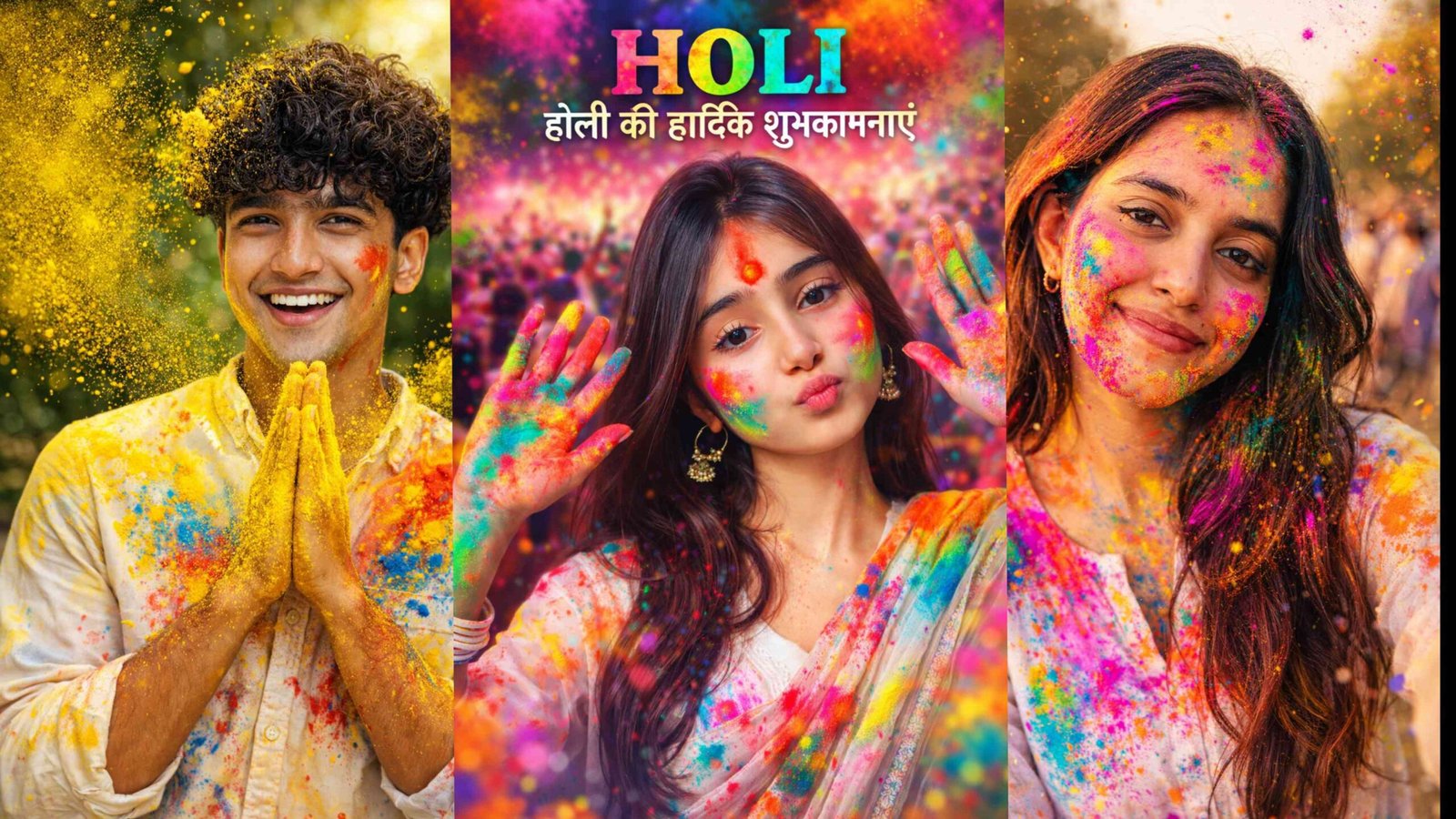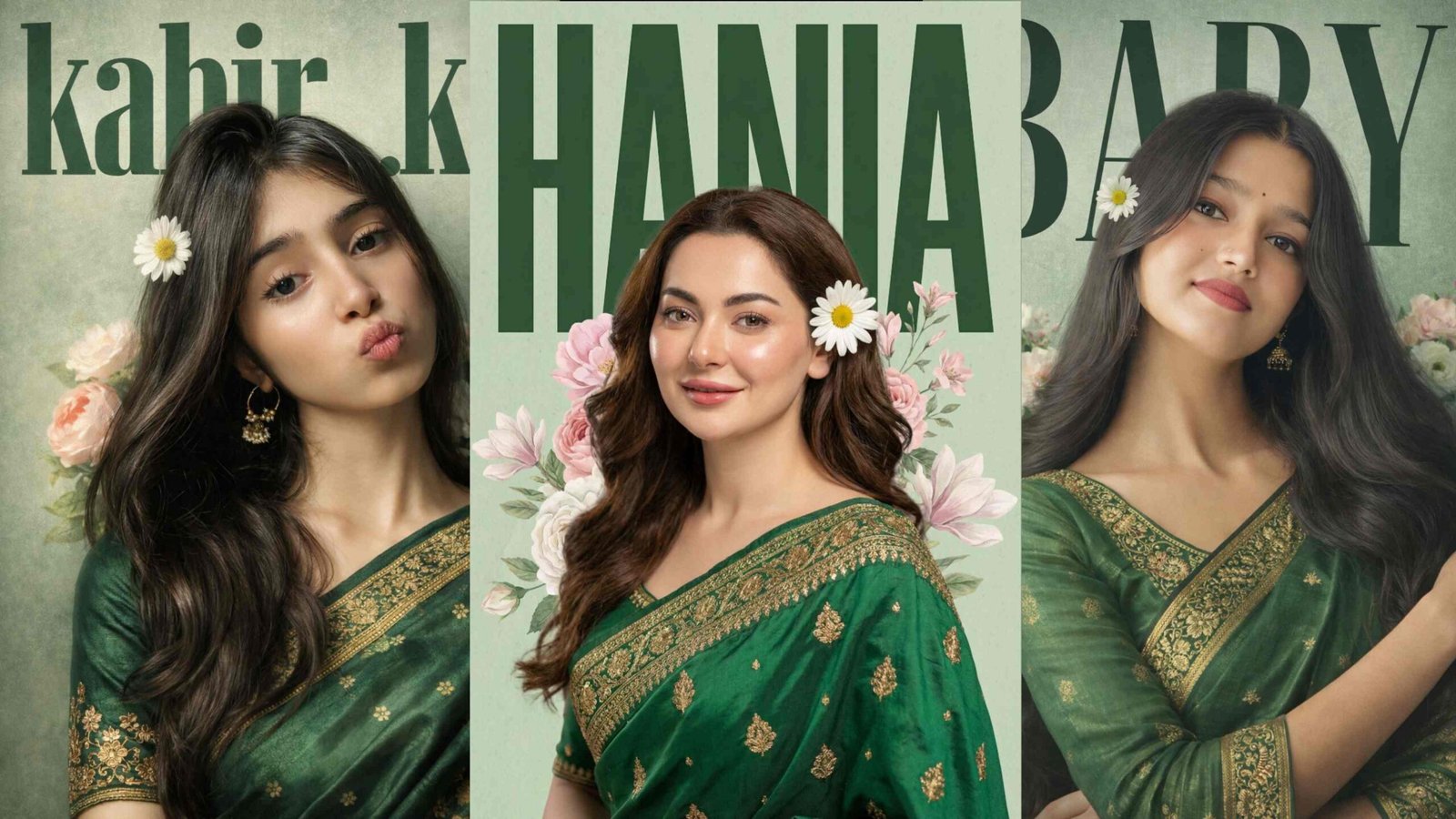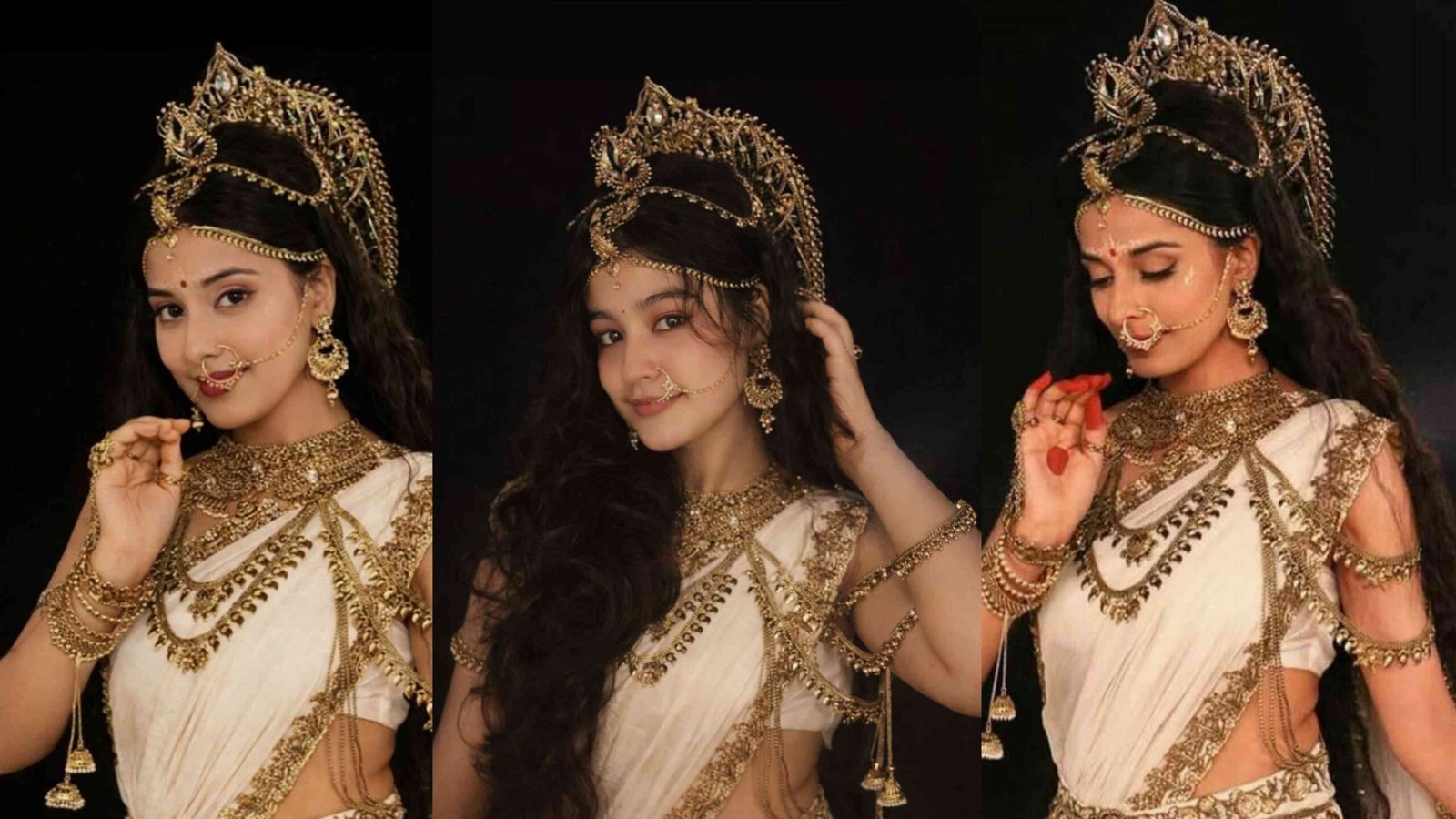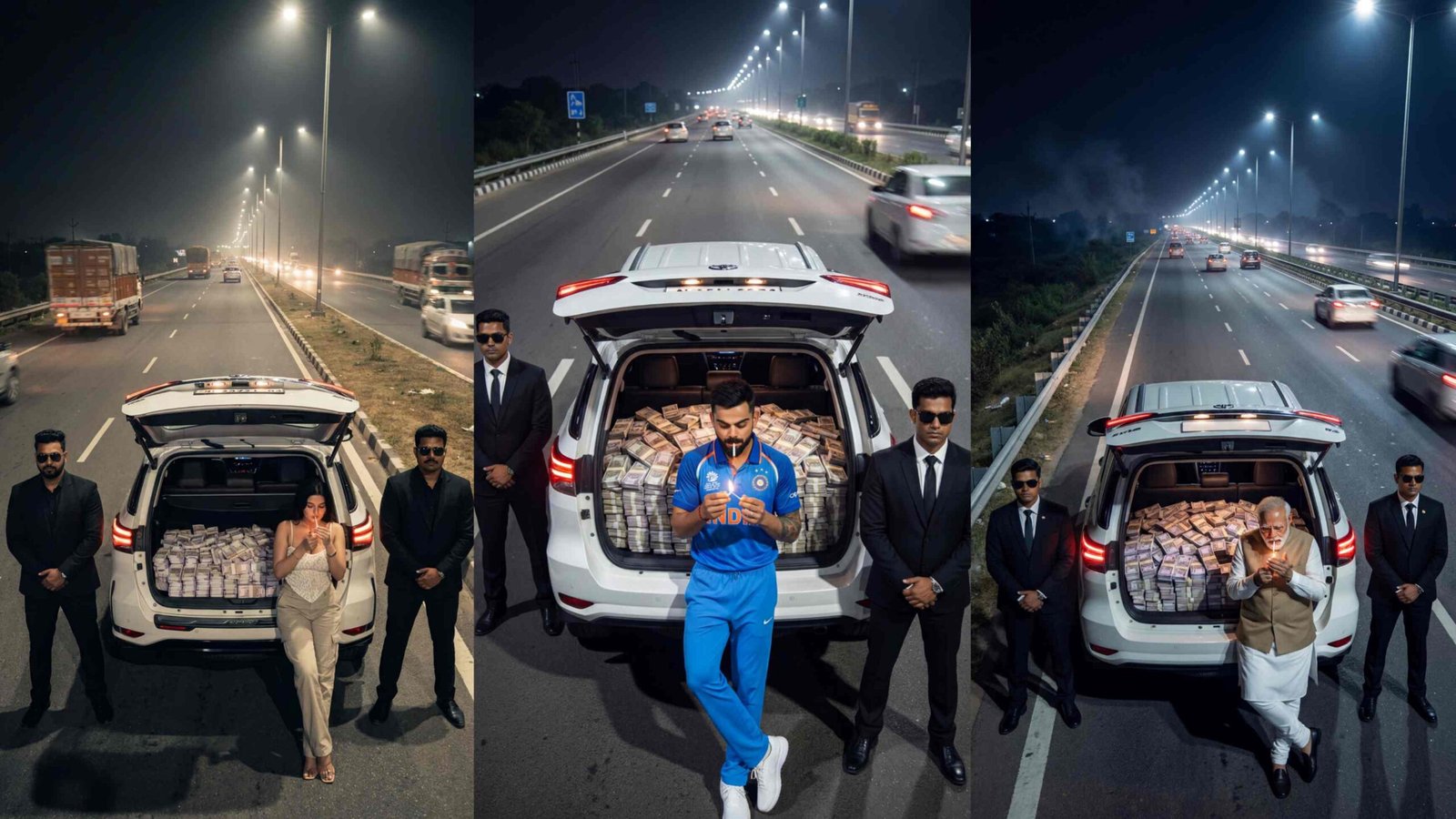
DSLR-Style Portrait Editing: How to Turn a Normal Photo into a Premium Portrait
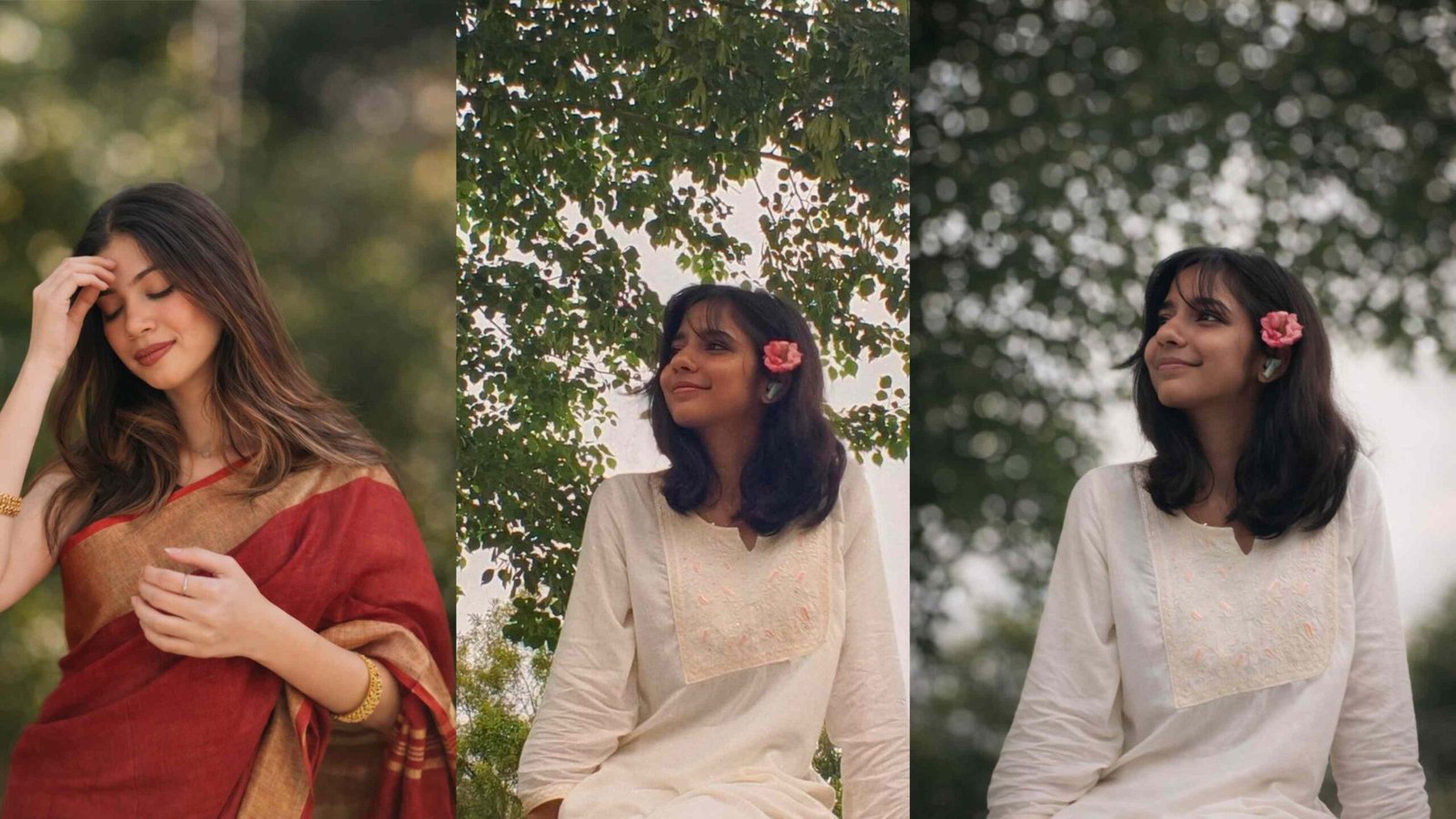
Today, almost everyone wants their photos to look like they were taken with a professional DSLR camera. The good news is that you do not need an expensive camera to achieve that premium portrait look anymore. With the right enhancement process, a normal mobile photo can be transformed into an ultra-realistic, high-resolution portrait with smooth background blur, sharp facial detail, natural lighting, and cinematic color grading.
A DSLR-style portrait is not just about making a photo brighter or more colorful. It is about creating a realistic separation between the subject and the background, improving clarity without making the skin look fake, and adding a polished finish that still feels natural. When done correctly, the final image looks clean, elegant, and professional.
1. High-Resolution Enhancement
The first step in DSLR-style portrait editing is increasing the overall image quality. Many photos taken on phones lose detail when zoomed in, especially around the face, hair, and fabric. High-resolution enhancement improves sharpness, refines fine details, and gives the image a cleaner structure. This process helps the portrait look more premium and more suitable for social media posts, professional use, or personal galleries.
However, good enhancement should not make the image look overprocessed. The goal is to preserve natural skin texture, realistic hair strands, and the original appearance of the person. A strong portrait edit should improve the quality while still keeping the image believable and photorealistic.
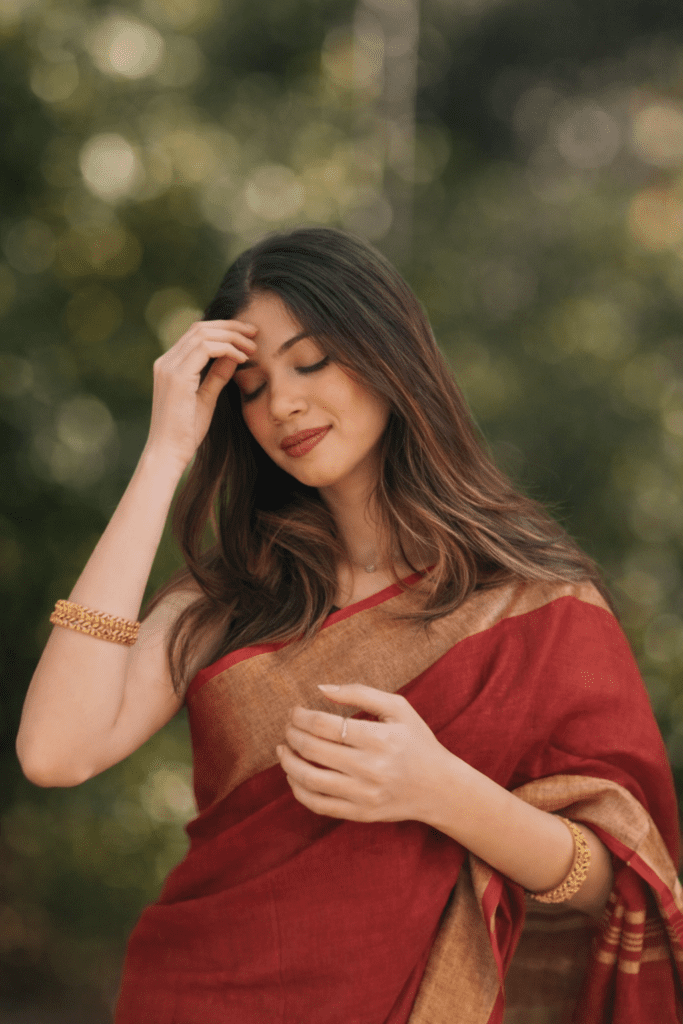
Use the uploaded image as the base image.Do not change the person, face, pose, outfit, framing or angle — everything must remain exactly the same (100% face match, no alterations).Enhance the image to ultra-high resolution with refined sharpness and natural skin detail.Apply a professional DSLR-style shallow depth of field effect — strong creamy background blur (full bokeh effect), smooth lens blur on water, hills and sky, clear subject separation, sharp focus locked on the face and upper body.Maintain natural lighting, realistic skin texture with soft glow, clean contrast, cinematic color grading, depth enhancement, premium portrait finish.Ultra-realistic, photorealistic, high-detail, strong background blur, subject tack sharp, no new elements, no pose change, no object removal, no text, no logos, no watermark.2. Sharp Focus on the Subject
One of the most recognizable features of a DSLR portrait is the way the camera locks focus on the subject. In a well-edited portrait, the face and upper body remain sharp, detailed, and clear, while everything around them feels softer. This creates immediate visual attention on the person in the image.
Subject sharpness is especially important around the eyes, lips, hairline, jewelry, and clothing texture. These details make the portrait feel alive. At the same time, the edit must avoid changing the actual face, pose, expression, outfit, framing, or angle. The purpose is enhancement, not replacement. The person should still look exactly the same as in the original image, only cleaner and more refined.
3. Background Blur and Bokeh Effect
The biggest reason DSLR portraits look expensive is the shallow depth of field. This means the subject is in focus while the background becomes soft and blurred. A creamy background blur, also called bokeh, gives the image a strong professional feel and helps separate the person from distracting surroundings.
In portrait enhancement, background blur should look smooth and natural. Trees, walls, water, hills, and sky should blend softly into the background without affecting the subject. A good blur effect does not look messy or artificial. Instead, it feels like it came directly from a real camera lens. When the blur is done properly, the image becomes more cinematic, more elegant, and visually more pleasing.
4. Natural Lighting and Realistic Skin
Lighting plays a major role in portrait quality. Even if the background blur is perfect, the portrait will not look premium unless the light feels balanced and natural. Soft natural lighting helps highlight the face without creating harsh shadows or unnatural brightness. It also adds depth and dimension to the subject.
Realistic skin detail is equally important. Many edits make skin look too smooth, which removes all realism from the portrait. A professional result keeps the skin soft but natural, with subtle texture still visible. A gentle glow can be added to enhance the overall beauty of the image, but it should never look plastic or fake. The best portrait edits make the subject look polished while still human.
5. Clean Contrast and Cinematic Color Grading
Color grading is what gives a portrait its final mood. DSLR-style images often have rich but controlled tones, balanced contrast, and a cinematic finish. Warm skin tones, slightly enhanced highlights, and deeper shadows can all make a portrait feel more premium without losing realism.
Clean contrast helps define the features of the subject and improves the visual depth of the photo. Cinematic grading can also make colors such as red, gold, green, or blue appear more attractive and luxurious. For example, in an outdoor portrait, green leaves in the background can be softened and balanced while the outfit colors remain vibrant and elegant. This creates a refined, high-end look that stands out immediately.
6. Preserving the Original Image
One of the most important parts of portrait enhancement is maintaining the original composition. Many people want their images improved, but they do not want the face, pose, body shape, outfit, background placement, or camera angle changed. This is especially important when the goal is to keep the same identity and natural appearance.
A proper enhancement should respect the original photo completely. That means no added objects, no removed elements, no extra accessories, no text, no logos, and no unexpected cropping. The edit should simply improve what is already there. This creates a result that feels authentic and trustworthy.
7. Why Full Photo Framing Matters
One common issue during AI-based photo enhancement is unwanted cropping. Sometimes the edited image focuses too much on the face and cuts off parts of the body, outfit, or original frame. This can ruin the composition of the photo, especially when the full saree, dress, pose, or hand placement is an important part of the portrait.
That is why full-frame preservation matters. A good portrait enhancement should keep the complete photo composition intact. The final output should look like the original image, only more professional. The framing, angle, and pose must remain unchanged so that the beauty of the full photograph is preserved.
8. The Final Premium Portrait Look
When all these elements come together, the result is a portrait that feels elegant, realistic, and luxurious. The person remains naturally recognizable, the subject stays sharp, the background becomes soft and creamy, the lighting feels flattering, and the colors look cinematic. This combination creates the classic DSLR portrait style that people love for Instagram, profile photos, fashion portraits, and personal branding.
The final image should feel high-detail and ultra-realistic, not artificial. It should enhance confidence and beauty while still respecting the original photo. That is the real power of professional portrait editing.
Conclusion
DSLR-style portrait enhancement is all about refinement. It does not require changing the person or rebuilding the image from scratch. Instead, it improves the existing photo through better sharpness, natural skin detail, strong subject focus, smooth background blur, clean contrast, and cinematic color tones.
With the right editing approach, even a simple mobile photo can be transformed into a premium portrait that looks polished, professional, and visually stunning. Whether the goal is social media, personal memories, or creative presentation, a well-edited DSLR-style portrait can make a normal image look truly exceptional.